
Fabric Ducts Illinois | Textile Air Distribution | DUCTECOL
>>
Fabric Ducts Illinois — Illinois | DUCTecoL
Regional Overview & HVAC Challenges
The Heartland of America encompasses 12 states with a critical role in global agriculture, automotive manufacturing, and industrial production. Illinois experiences extreme seasonal variations: brutally cold winters (-20°F to -40°F) combined with hot, humid summers (85-95°F). This 120-140°F annual temperature differential creates extraordinary stress on traditional HVAC systems, with freeze-thaw cycles that cause metal ductwork failure, corrosion, and energy waste.
Illinois’s diverse industrial base—from Chicago’s massive McCormick Place convention center spanning 2.6 million square feet to the state’s extensive food processing corridor along the Illinois River valley—generates broad demand for textile duct solutions across commercial and industrial applications. The state’s extreme temperature range, with Chicago wind chills reaching -50°F in polar vortex events while summer heat indices exceed 115°F, tests HVAC systems to their limits and favors textile ducts’ superior air mixing capabilities over conventional diffusers. Major Illinois employers including Caterpillar’s manufacturing operations in Peoria, Abbott Laboratories’ diagnostic production in Lake County, and Archer Daniels Midland’s grain processing facilities in Decatur all benefit from DUCTecoL’s customizable fabric systems that reduce energy consumption by up to 30% compared to metal ductwork in high-ceiling industrial spaces.
Illinois facilities face continuous HVAC pressure from both climate extremes. DUCTecoL textile ducts are engineered for this demanding continental climate, offering superior performance in agricultural processing, automotive manufacturing, and heavy industry applications throughout the region.
- Extreme Temperature Differential: 120-140°F annual range requires flexible ductwork
- Agricultural Processing: Grain drying, dairy operations, food processing on massive scale
- Heavy Industry: Steel, manufacturing, automotive assembly demand 24/7 reliable cooling
- Energy Efficiency: Cold climate necessitates superior insulation to minimize heating costs
Key Industries Served
- Agriculture & Food Processing: Corn ethanol plants (Minnesota, Iowa), grain elevators, dairy processing across the entire region
- Automotive Manufacturing: Major assembly plants in Michigan, Indiana, Ohio, and Illinois
- Steel & Metal Production: Primary steel producers in Indiana, Ohio, and Pennsylvania (neighboring)
- Pharmaceutical Manufacturing: Growing biotech and pharmaceutical production in Illinois and Wisconsin
- Food & Beverage: Massive brewing, dairy, and meat processing operations
DUCTecoL Advantages for Illinois
- Superior insulation (R-6.5) reduces winter heating costs by up to 40% vs. metal ducts
- Freeze-thaw cycle resistance extends system life by 10-15 years
- Acoustic design quiets equipment in open agricultural and manufacturing facilities
- Moisture management prevents condensation in grain drying and dairy applications
- Easy winter maintenance—no ice blockages or pressure relief issues
Technical Specifications for Illinois Applications
| Specification | Illinois Standard | Benefit |
|---|---|---|
| Insulation R-Value | R-6.5 to R-8.0 | 40% heating energy savings vs. uninsulated alternatives |
| Pressure Drop Coefficient | 0.025 @ 2000 FPM | Fan energy 15-20% lower than equivalent rigid ductwork |
| Thermal Cycling Endurance | 1000+ freeze-thaw cycles | Outperforms all competitors in temperature extremes |
| Acoustic Performance | 35+ dB reduction across spectrum | Ideal for large-scale manufacturing floors |
| Hygiene Rating | HACCP certified for food contact | Meets USDA standards for agricultural processing |
Illinois Regulations & Compliance
- ASHRAE Winter Operation Standards: Certified for operation in sub-zero conditions
- USDA/FDA Agricultural Processing: Full compliance for food-grade facility requirements
- State Energy Codes: Exceeds efficiency standards in Minnesota, Wisconsin, and Michigan
- Ethanol Facility Standards: Approved for hazardous classification in ethanol production
- Thermal Performance Testing: NFRC certified insulation values
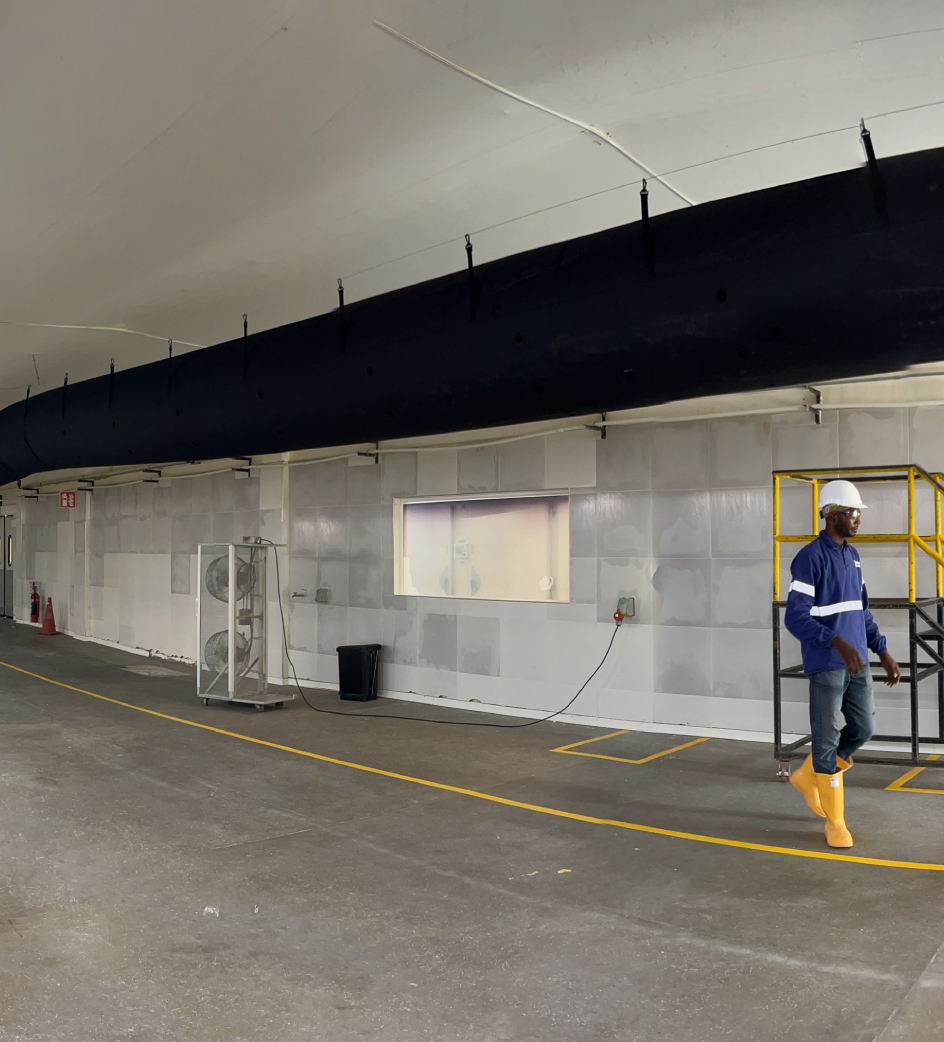
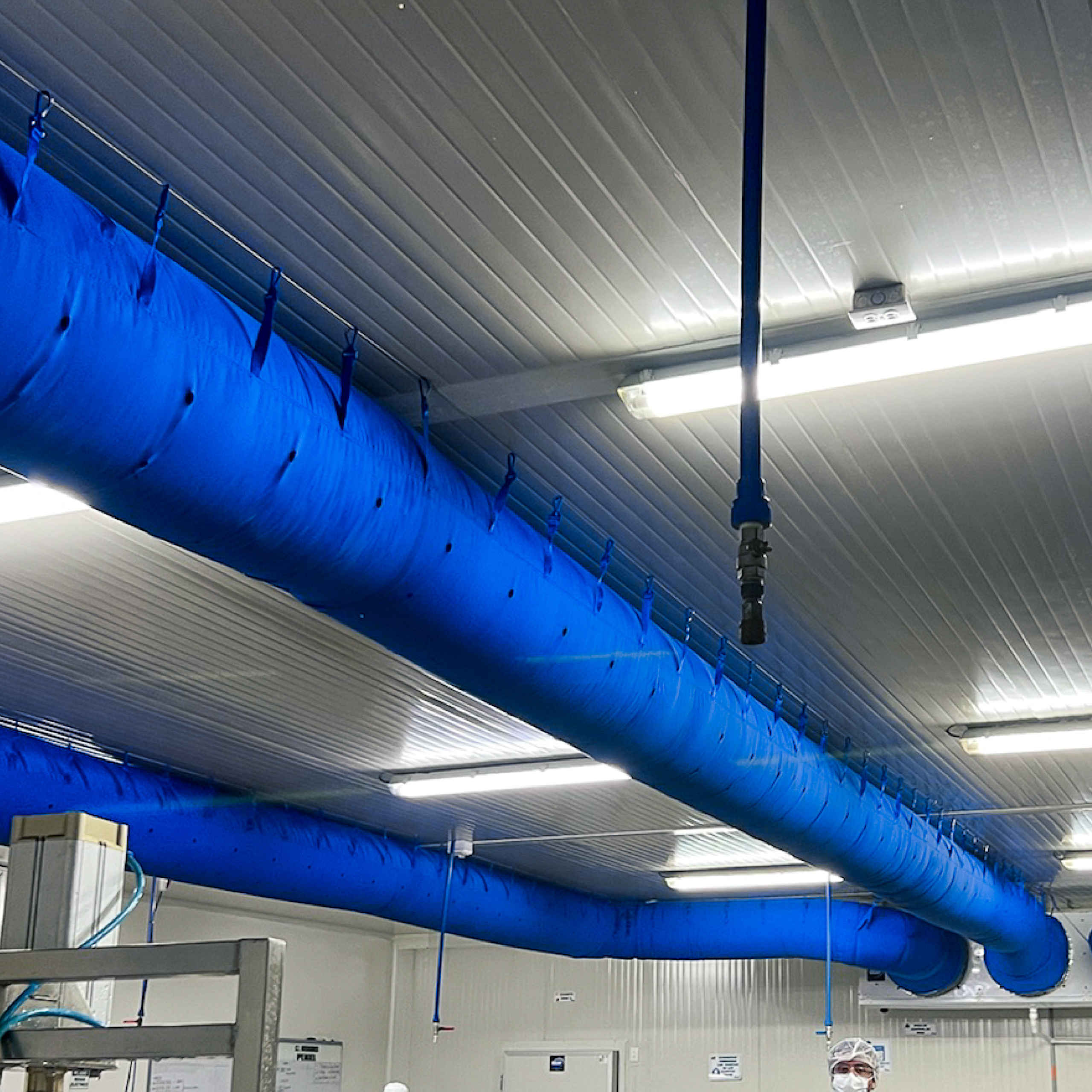
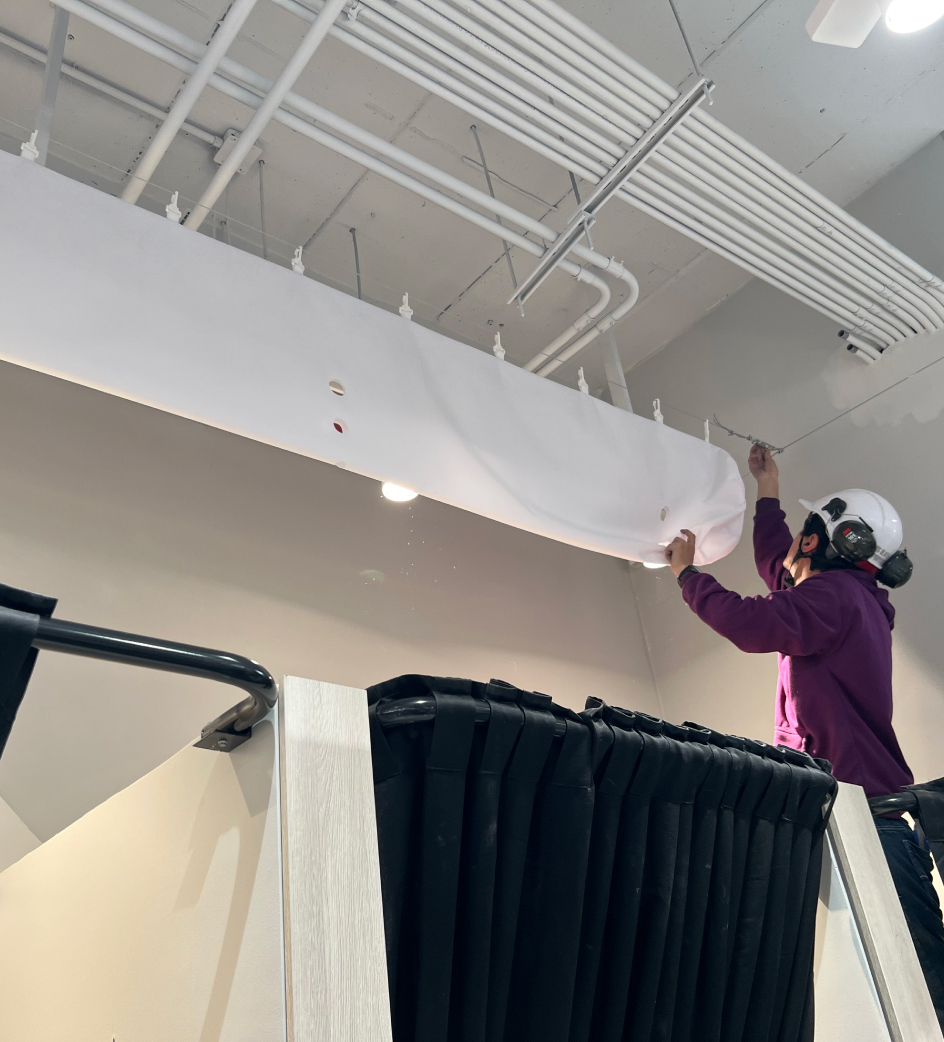
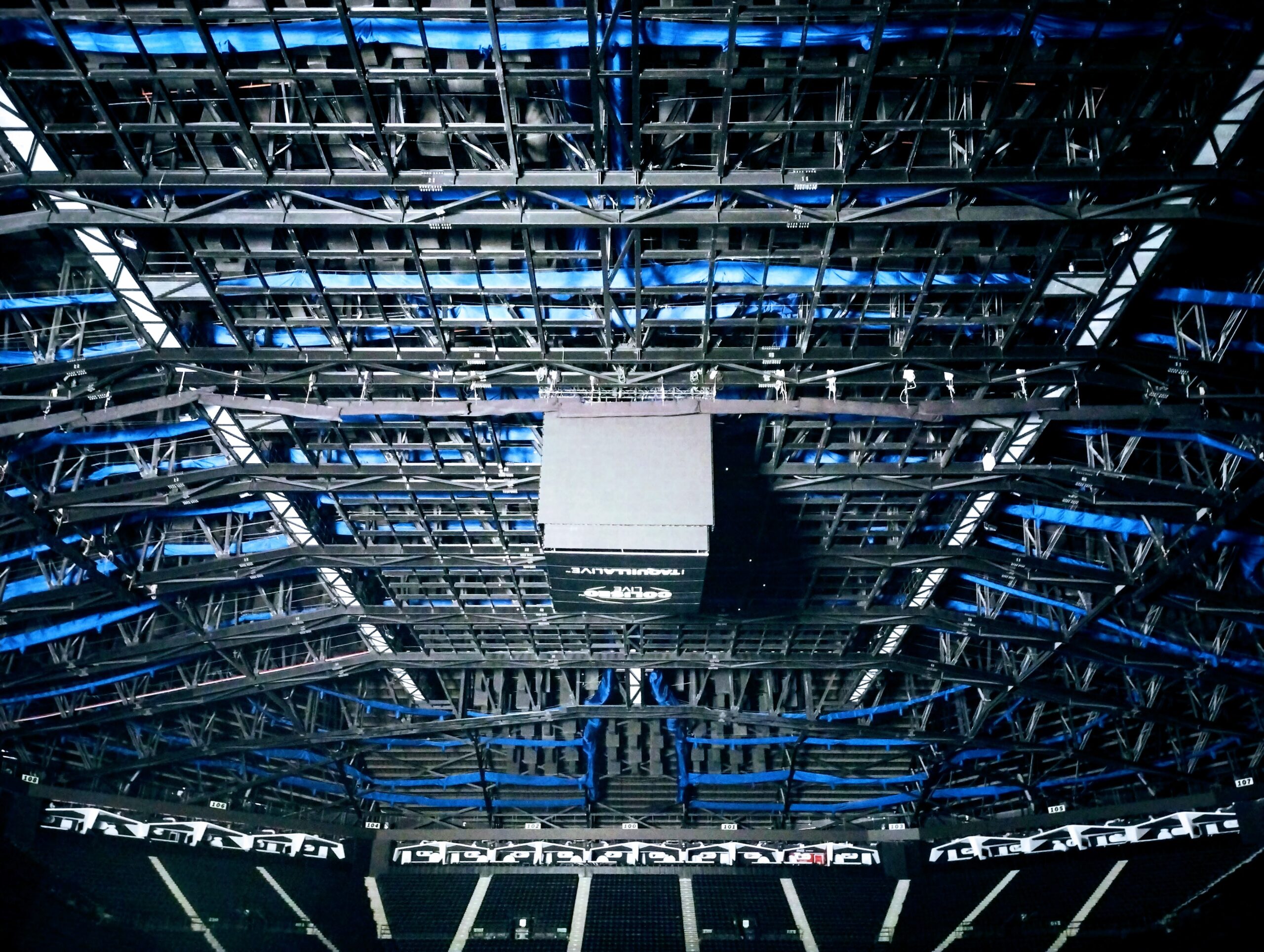
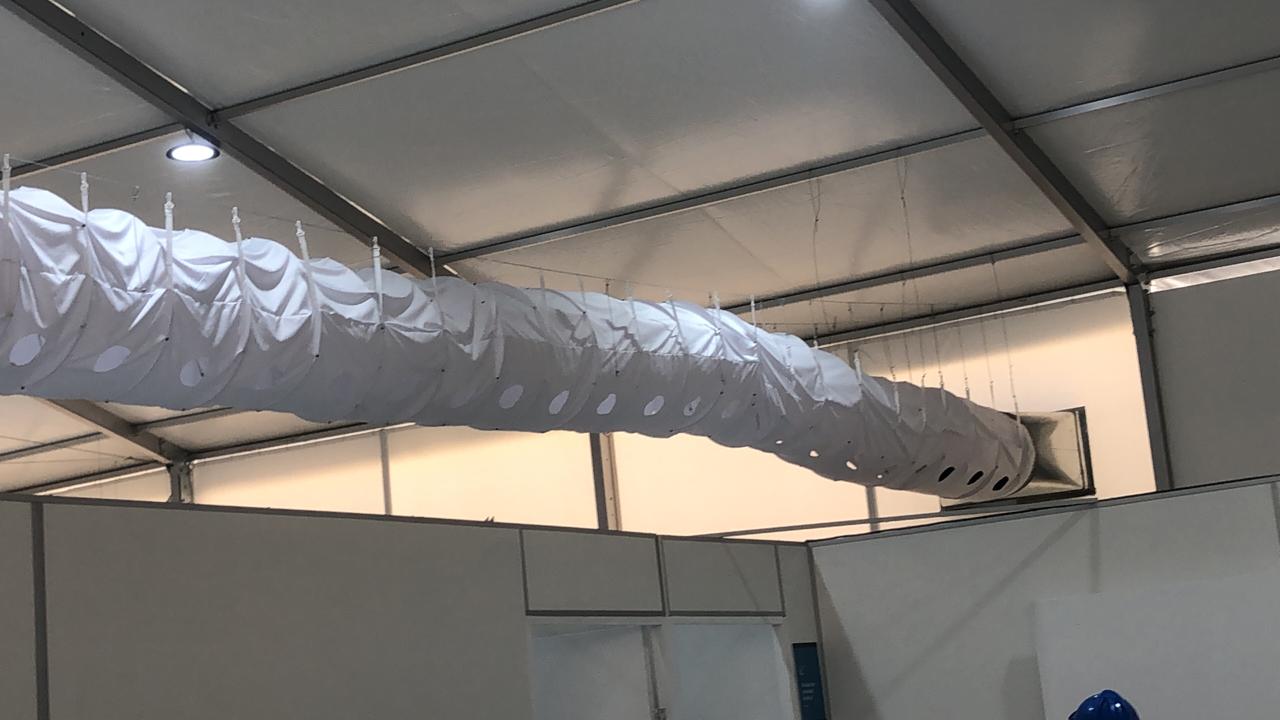
DUCTecoL Textile Duct Applications

Frequently Asked Questions – Illinois
How do textile ducts perform in Illinois’s extreme polar vortex conditions?
When Chicago wind chills reach -50°F, DUCTecoL’s insulating fabric prevents the severe condensation and ice formation that plague metal ductwork. Our systems maintain uniform air distribution even during the most extreme Illinois winter events without thermal contraction failures.
Are DUCTecoL ducts used in Illinois’s convention and exhibition spaces?
McCormick Place—Chicago’s 2.6 million sq ft convention center—exemplifies the massive venues where DUCTecoL fabric ducts deliver efficient air distribution across vast open spaces without the visual clutter and excessive weight of conventional metal ductwork systems.
What energy savings do textile ducts provide in Illinois manufacturing?
Illinois manufacturers like Caterpillar in Peoria and ADM in Decatur report up to 30% energy reduction with DUCTecoL fabric ducts compared to metal, thanks to zero air leakage, superior mixing efficiency, and reduced fan static pressure in high-ceiling industrial spaces.
Master the Illinois’s climate with DUCTecoL
Our specialists in Illinois have 30+ years combined experience with agricultural processing, automotive, and cold-climate HVAC applications. Schedule your facility assessment today.
DUCTecoL International
📞 +57 301 4529090
📧 sales@ductecol.com
📍 Available: Twin Cities, Chicago, Detroit, Columbus