
Fabric Ducts Indiana | Textile Air Distribution | DUCTECOL
>>
Fabric Ducts Indiana — Indiana | DUCTecoL
Regional Overview & HVAC Challenges
The Heartland of America encompasses 12 states with a critical role in global agriculture, automotive manufacturing, and industrial production. Indiana experiences extreme seasonal variations: brutally cold winters (-20°F to -40°F) combined with hot, humid summers (85-95°F). This 120-140°F annual temperature differential creates extraordinary stress on traditional HVAC systems, with freeze-thaw cycles that cause metal ductwork failure, corrosion, and energy waste.
Indiana’s automotive manufacturing dominance—with Toyota in Princeton, Subaru in Lafayette, Honda in Greensburg, and General Motors in Fort Wayne—creates sustained demand for precision air distribution in paint shops, assembly lines, and quality control labs where temperature uniformity within ±1°F is critical. The state’s pharmaceutical sector, anchored by Eli Lilly’s global headquarters and manufacturing complex in Indianapolis alongside Roche Diagnostics and Cook Medical, requires cGMP-validated cleanroom air distribution where textile ducts provide documented ISO 14644 performance. Indiana’s position in the Corn Belt also supports a massive food processing industry, with Tyson, Frito-Lay, and numerous regional processors requiring USDA-compliant washable ductwork in facilities where the humid continental climate—averaging 40 inches of annual precipitation—makes condensation management essential.
Indiana facilities face continuous HVAC pressure from both climate extremes. DUCTecoL textile ducts are engineered for this demanding continental climate, offering superior performance in agricultural processing, automotive manufacturing, and heavy industry applications throughout the region.
- Extreme Temperature Differential: 120-140°F annual range requires flexible ductwork
- Agricultural Processing: Grain drying, dairy operations, food processing on massive scale
- Heavy Industry: Steel, manufacturing, automotive assembly demand 24/7 reliable cooling
- Energy Efficiency: Cold climate necessitates superior insulation to minimize heating costs
Key Industries Served
- Agriculture & Food Processing: Corn ethanol plants (Minnesota, Iowa), grain elevators, dairy processing across the entire region
- Automotive Manufacturing: Major assembly plants in Michigan, Indiana, Ohio, and Illinois
- Steel & Metal Production: Primary steel producers in Indiana, Ohio, and Pennsylvania (neighboring)
- Pharmaceutical Manufacturing: Growing biotech and pharmaceutical production in Illinois and Wisconsin
- Food & Beverage: Massive brewing, dairy, and meat processing operations
DUCTecoL Advantages for Indiana
- Superior insulation (R-6.5) reduces winter heating costs by up to 40% vs. metal ducts
- Freeze-thaw cycle resistance extends system life by 10-15 years
- Acoustic design quiets equipment in open agricultural and manufacturing facilities
- Moisture management prevents condensation in grain drying and dairy applications
- Easy winter maintenance—no ice blockages or pressure relief issues
Technical Specifications for Indiana Applications
| Specification | Indiana Standard | Benefit |
|---|---|---|
| Insulation R-Value | R-6.5 to R-8.0 | 40% heating energy savings vs. uninsulated alternatives |
| Pressure Drop Coefficient | 0.025 @ 2000 FPM | Fan energy 15-20% lower than equivalent rigid ductwork |
| Thermal Cycling Endurance | 1000+ freeze-thaw cycles | Outperforms all competitors in temperature extremes |
| Acoustic Performance | 35+ dB reduction across spectrum | Ideal for large-scale manufacturing floors |
| Hygiene Rating | HACCP certified for food contact | Meets USDA standards for agricultural processing |
Indiana Regulations & Compliance
- ASHRAE Winter Operation Standards: Certified for operation in sub-zero conditions
- USDA/FDA Agricultural Processing: Full compliance for food-grade facility requirements
- State Energy Codes: Exceeds efficiency standards in Minnesota, Wisconsin, and Michigan
- Ethanol Facility Standards: Approved for hazardous classification in ethanol production
- Thermal Performance Testing: NFRC certified insulation values
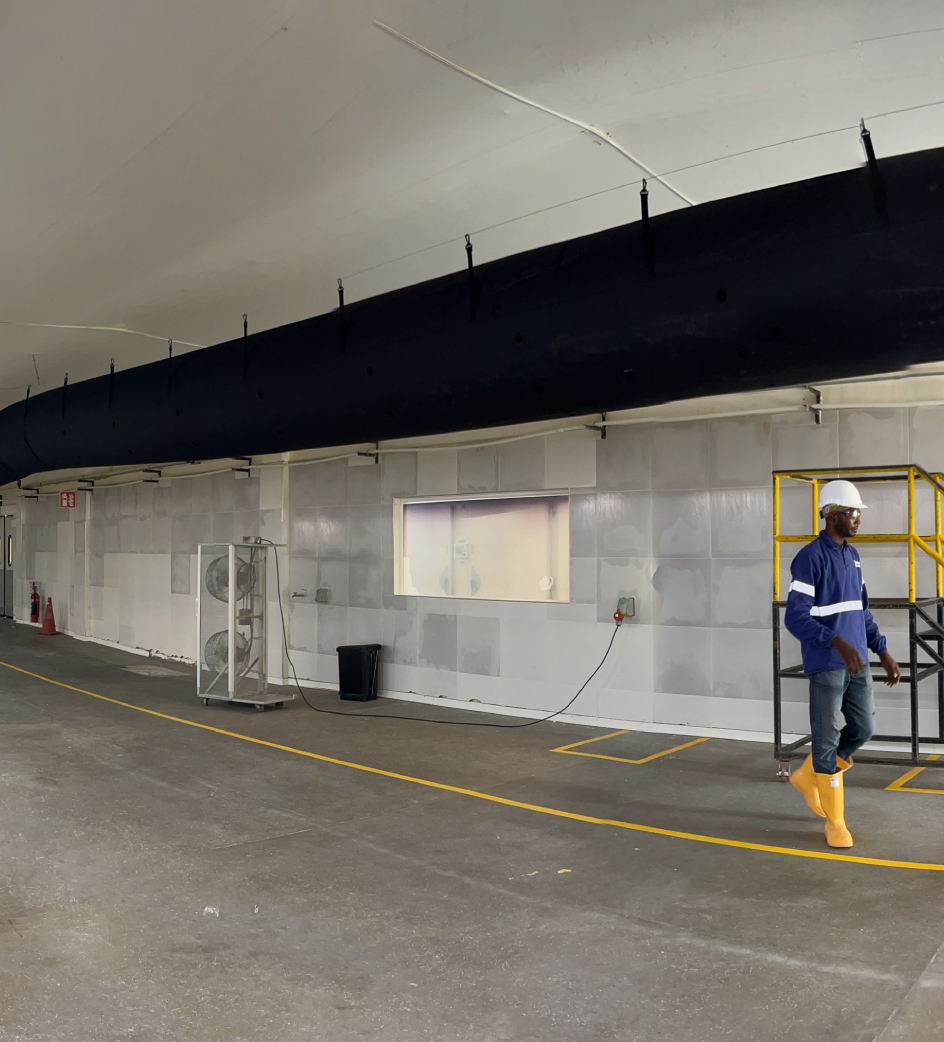
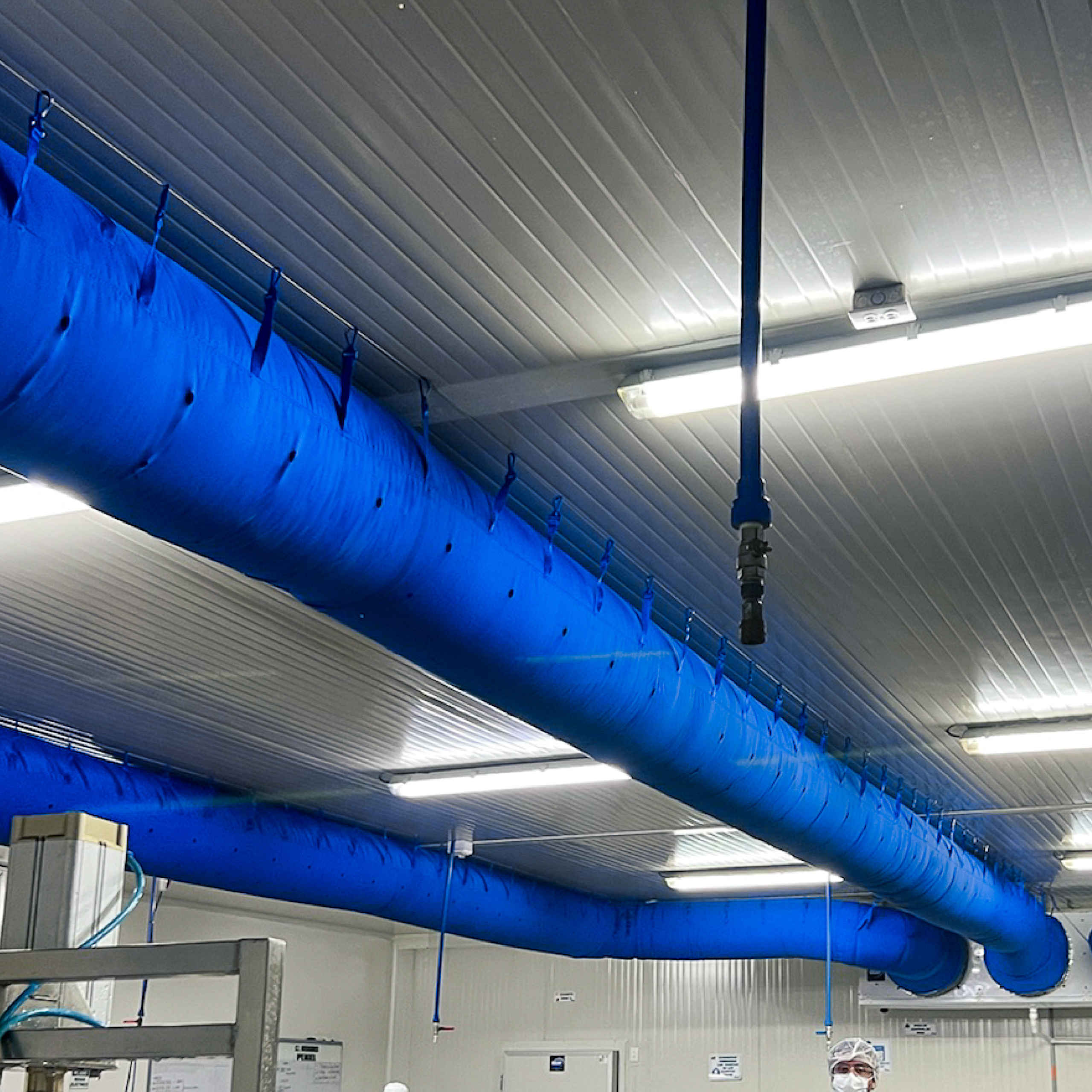
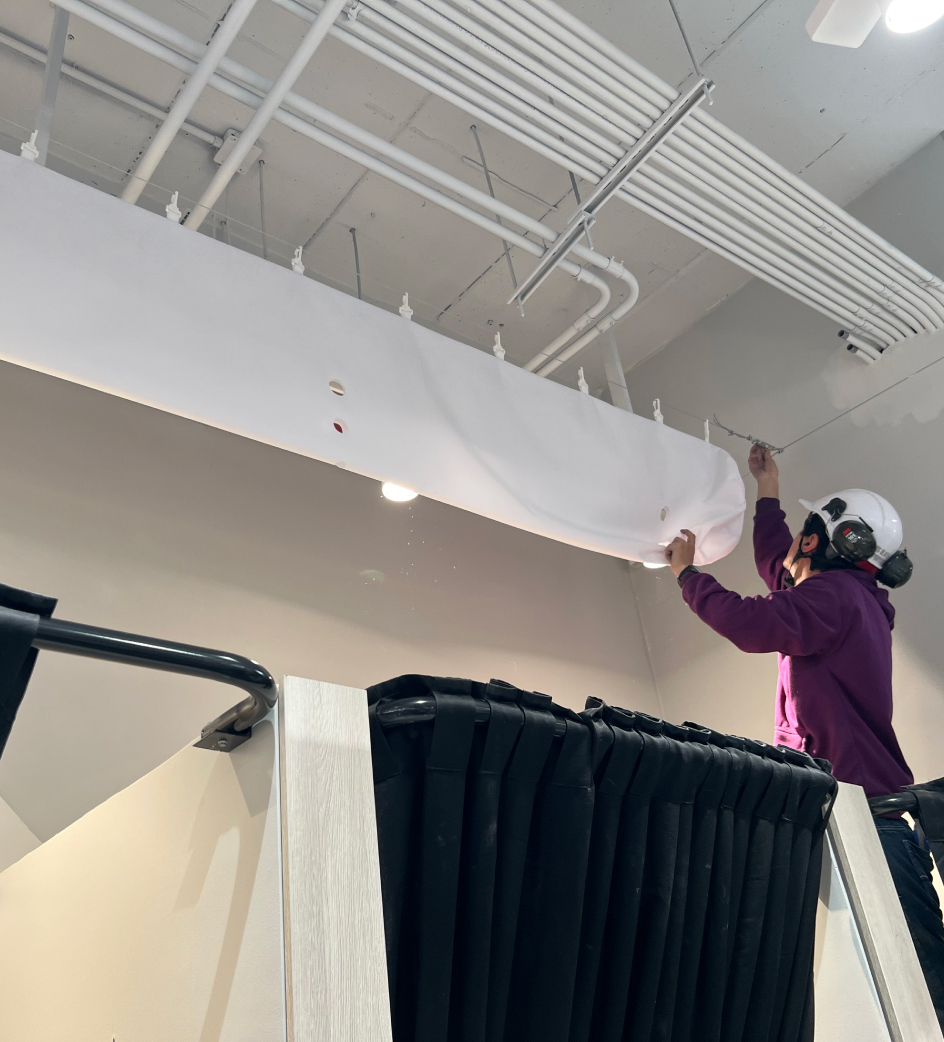
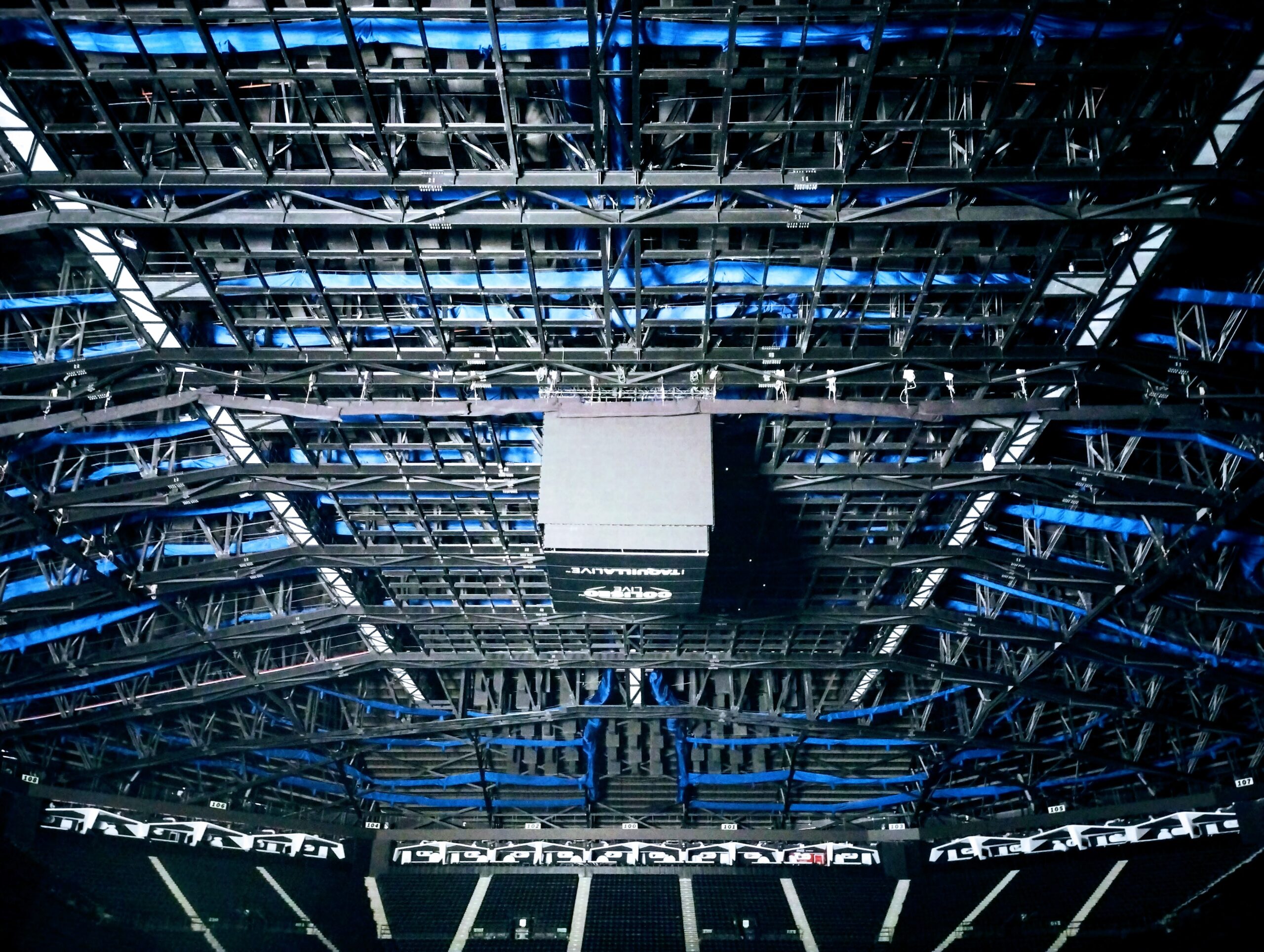
DUCTecoL Textile Duct Applications
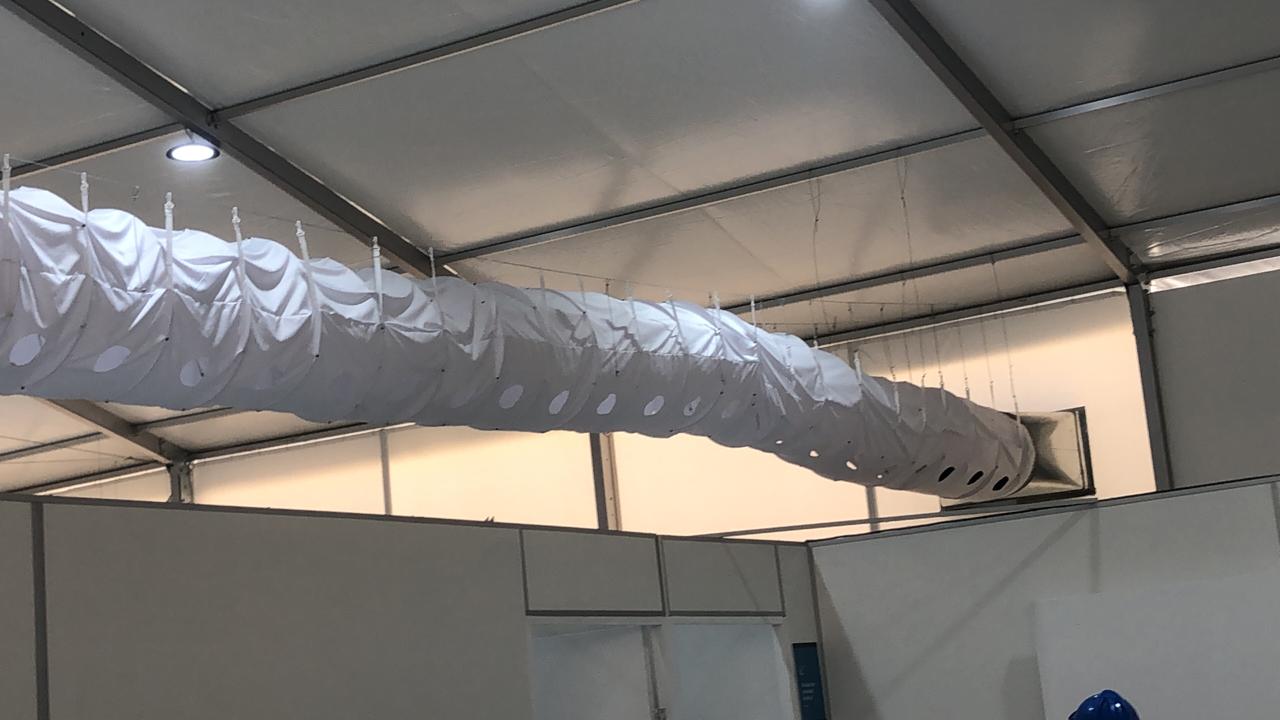

Frequently Asked Questions – Indiana
How do textile ducts meet Indiana’s automotive paint booth requirements?
Toyota Princeton, Subaru Lafayette, and Honda Greensburg demand ±1°F temperature uniformity in paint applications. DUCTecoL’s engineered micro-perforations create laminar airflow that eliminates paint defects from turbulence—performance that metal diffusers cannot reliably achieve.
Are DUCTecoL ducts validated for Indiana’s pharmaceutical cleanrooms?
Yes. Eli Lilly’s Indianapolis campus, Roche Diagnostics, and Cook Medical rely on cGMP-validated air distribution. DUCTecoL provides documented ISO 14644 cleanroom performance with complete washability—critical for Indiana’s multi-billion-dollar pharmaceutical manufacturing sector.
How do textile ducts handle Indiana’s 40-inch annual precipitation?
Indiana’s humid continental climate makes condensation management essential. DUCTecoL’s fabric insulates naturally, preventing surface condensation that causes dripping in food processing facilities operated by Tyson and Frito-Lay—protecting products and maintaining USDA compliance.
Master the Indiana’s climate with DUCTecoL
Our specialists in Indiana have 30+ years combined experience with agricultural processing, automotive, and cold-climate HVAC applications. Schedule your facility assessment today.
DUCTecoL International
📞 +57 301 4529090
📧 sales@ductecol.com
📍 Available: Twin Cities, Chicago, Detroit, Columbus