
Fabric Ducts Wisconsin | Textile Air Distribution | DUCTECOL
>>
Fabric Ducts Wisconsin — Wisconsin | DUCTecoL
Regional Overview & HVAC Challenges
The Heartland of America encompasses 12 states with a critical role in global agriculture, automotive manufacturing, and industrial production. Wisconsin experiences extreme seasonal variations: brutally cold winters (-20°F to -40°F) combined with hot, humid summers (85-95°F). This 120-140°F annual temperature differential creates extraordinary stress on traditional HVAC systems, with freeze-thaw cycles that cause metal ductwork failure, corrosion, and energy waste.
Wisconsin’s legendary dairy industry—processing over 3.4 billion pounds of cheese annually through 1,200+ dairy plants including Sargento in Plymouth, BelGioioso in Green Bay, and the Wisconsin Center for Dairy Research—requires USDA 3-A sanitary air distribution systems where textile ducts’ complete machine-washability enables the daily sanitation demanded by SQF and FSMA compliance programs. The state’s Great Lakes climate produces lake-effect snowfall exceeding 100 inches along the Lake Michigan corridor with winter temperatures dropping to -35°F in the northern highlands, while summer humidity in Milwaukee regularly exceeds 85%, creating year-round condensation challenges in the 37,000+ manufacturing facilities that make Wisconsin the nation’s manufacturing employment leader per capita. Wisconsin’s engine and power generation manufacturing—Briggs & Stratton, Mercury Marine in Fond du Lac, Oshkosh Defense’s military vehicle production, and Harley-Davidson’s Menomonee Falls assembly—alongside Rockwell Automation’s industrial controls and GE Healthcare’s imaging equipment production in Waukesha, drives diverse demand for DUCTecoL’s precision-engineered textile duct solutions across the state’s robust industrial base.
Wisconsin facilities face continuous HVAC pressure from both climate extremes. DUCTecoL textile ducts are engineered for this demanding continental climate, offering superior performance in agricultural processing, automotive manufacturing, and heavy industry applications throughout the region.
- Extreme Temperature Differential: 120-140°F annual range requires flexible ductwork
- Agricultural Processing: Grain drying, dairy operations, food processing on massive scale
- Heavy Industry: Steel, manufacturing, automotive assembly demand 24/7 reliable cooling
- Energy Efficiency: Cold climate necessitates superior insulation to minimize heating costs
Key Industries Served
- Agriculture & Food Processing: Corn ethanol plants (Minnesota, Iowa), grain elevators, dairy processing across the entire region
- Automotive Manufacturing: Major assembly plants in Michigan, Indiana, Ohio, and Illinois
- Steel & Metal Production: Primary steel producers in Indiana, Ohio, and Pennsylvania (neighboring)
- Pharmaceutical Manufacturing: Growing biotech and pharmaceutical production in Illinois and Wisconsin
- Food & Beverage: Massive brewing, dairy, and meat processing operations
DUCTecoL Advantages for Wisconsin
- Superior insulation (R-6.5) reduces winter heating costs by up to 40% vs. metal ducts
- Freeze-thaw cycle resistance extends system life by 10-15 years
- Acoustic design quiets equipment in open agricultural and manufacturing facilities
- Moisture management prevents condensation in grain drying and dairy applications
- Easy winter maintenance—no ice blockages or pressure relief issues
Technical Specifications for Wisconsin Applications
| Specification | Wisconsin Standard | Benefit |
|---|---|---|
| Insulation R-Value | R-6.5 to R-8.0 | 40% heating energy savings vs. uninsulated alternatives |
| Pressure Drop Coefficient | 0.025 @ 2000 FPM | Fan energy 15-20% lower than equivalent rigid ductwork |
| Thermal Cycling Endurance | 1000+ freeze-thaw cycles | Outperforms all competitors in temperature extremes |
| Acoustic Performance | 35+ dB reduction across spectrum | Ideal for large-scale manufacturing floors |
| Hygiene Rating | HACCP certified for food contact | Meets USDA standards for agricultural processing |
Wisconsin Regulations & Compliance
- ASHRAE Winter Operation Standards: Certified for operation in sub-zero conditions
- USDA/FDA Agricultural Processing: Full compliance for food-grade facility requirements
- State Energy Codes: Exceeds efficiency standards in Minnesota, Wisconsin, and Michigan
- Ethanol Facility Standards: Approved for hazardous classification in ethanol production
- Thermal Performance Testing: NFRC certified insulation values
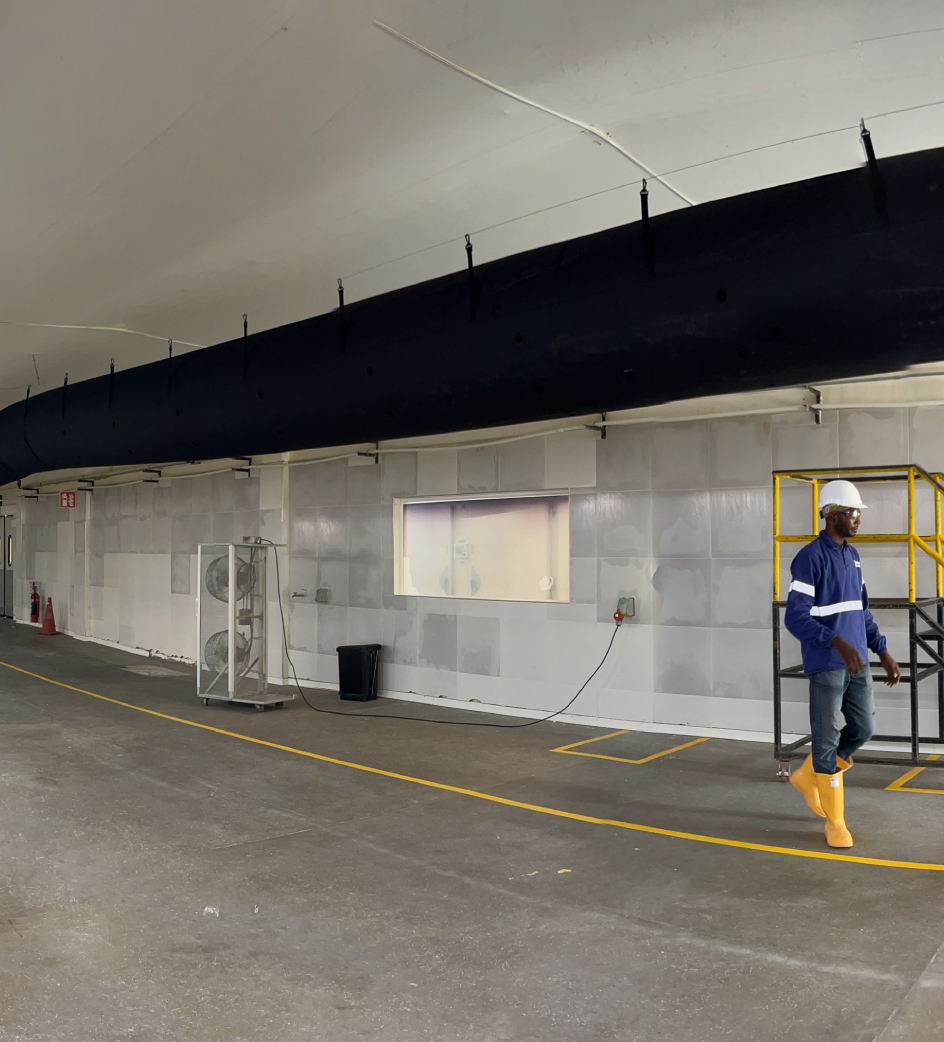
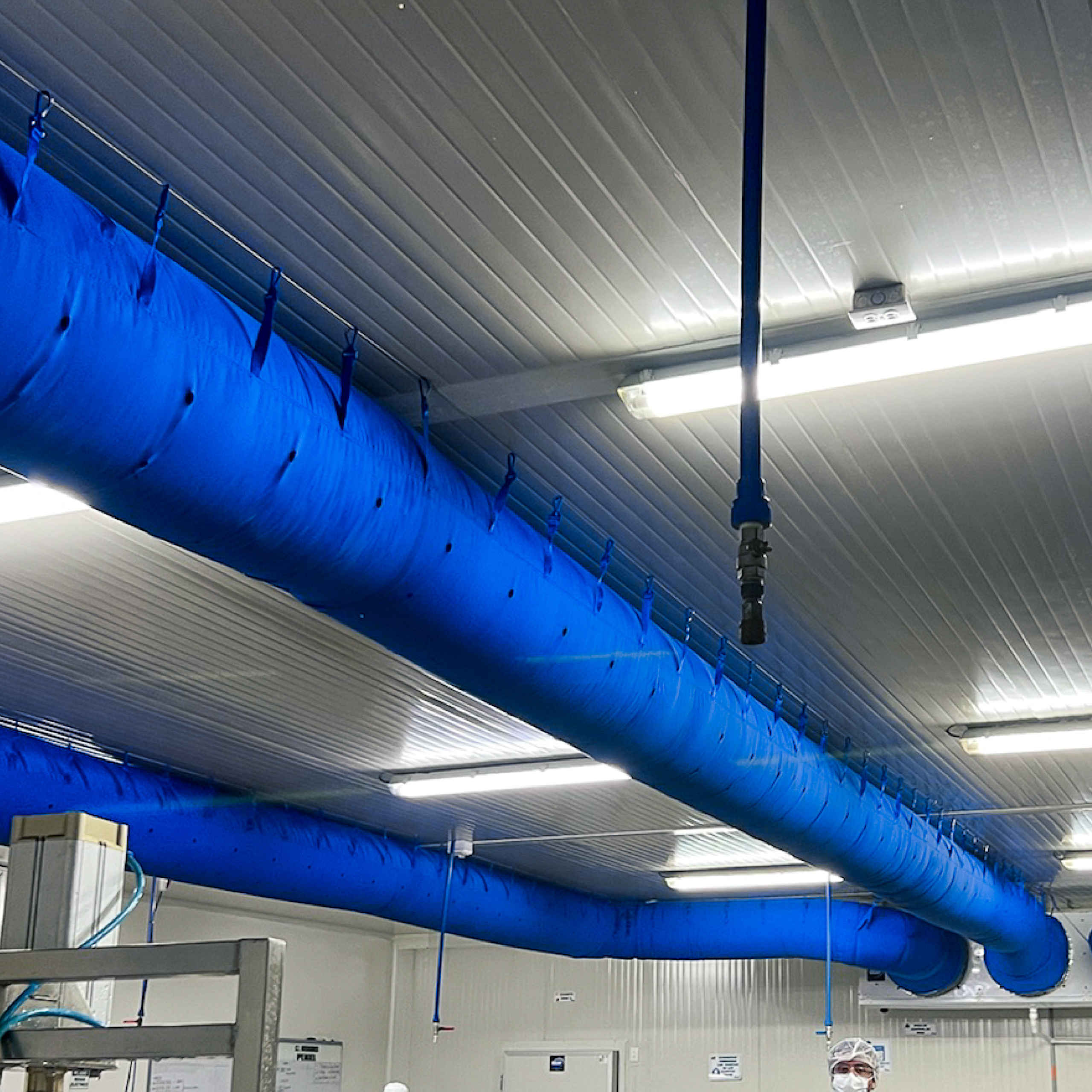
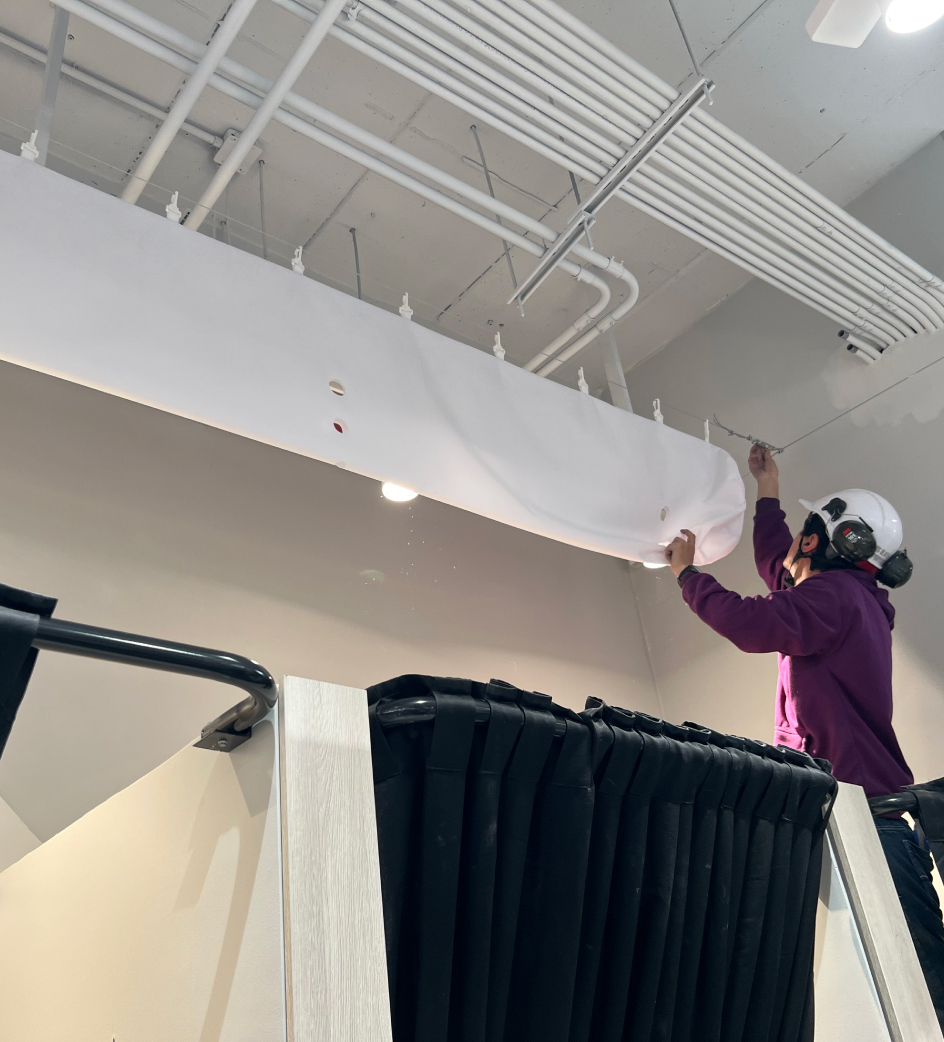
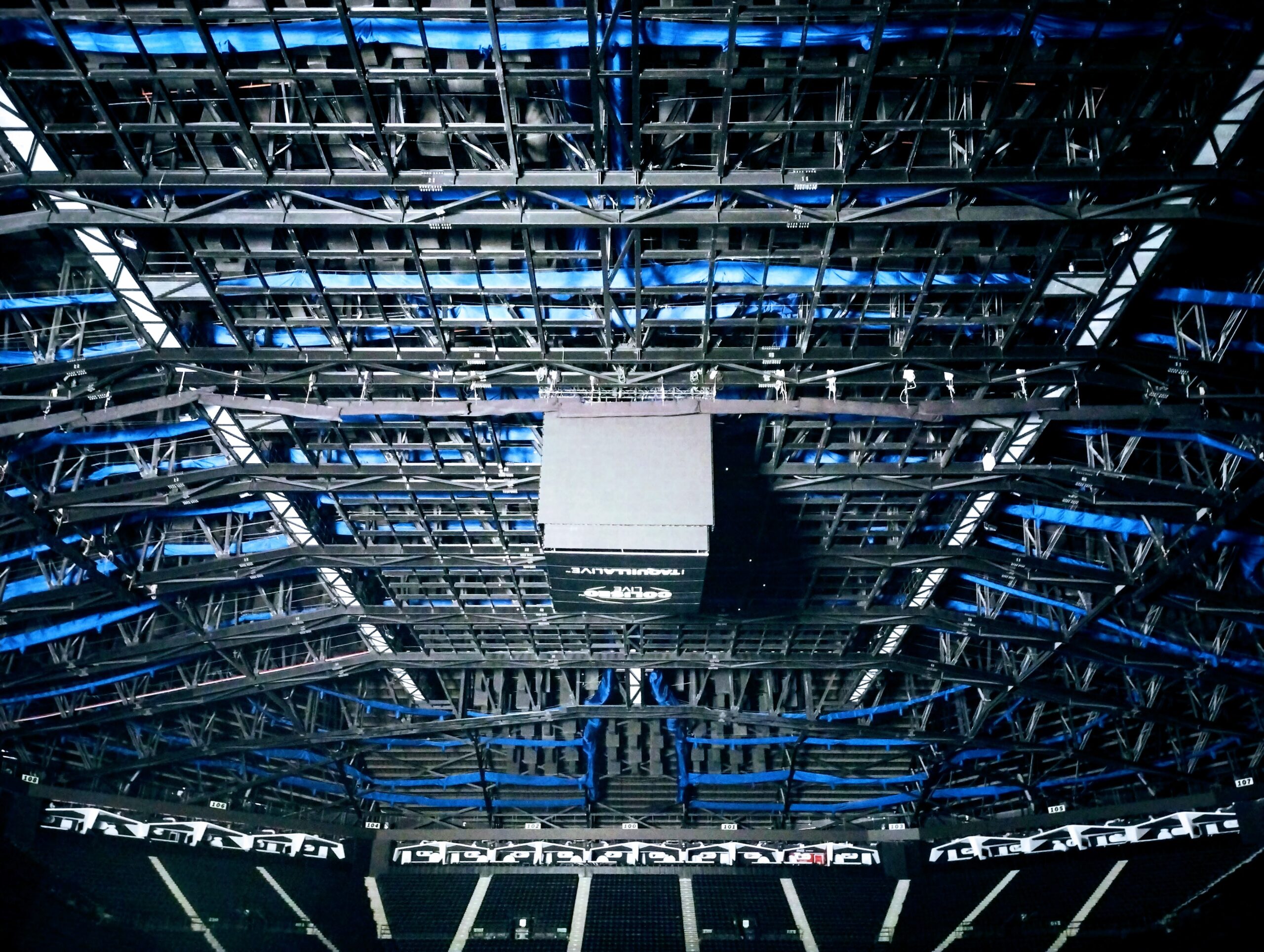
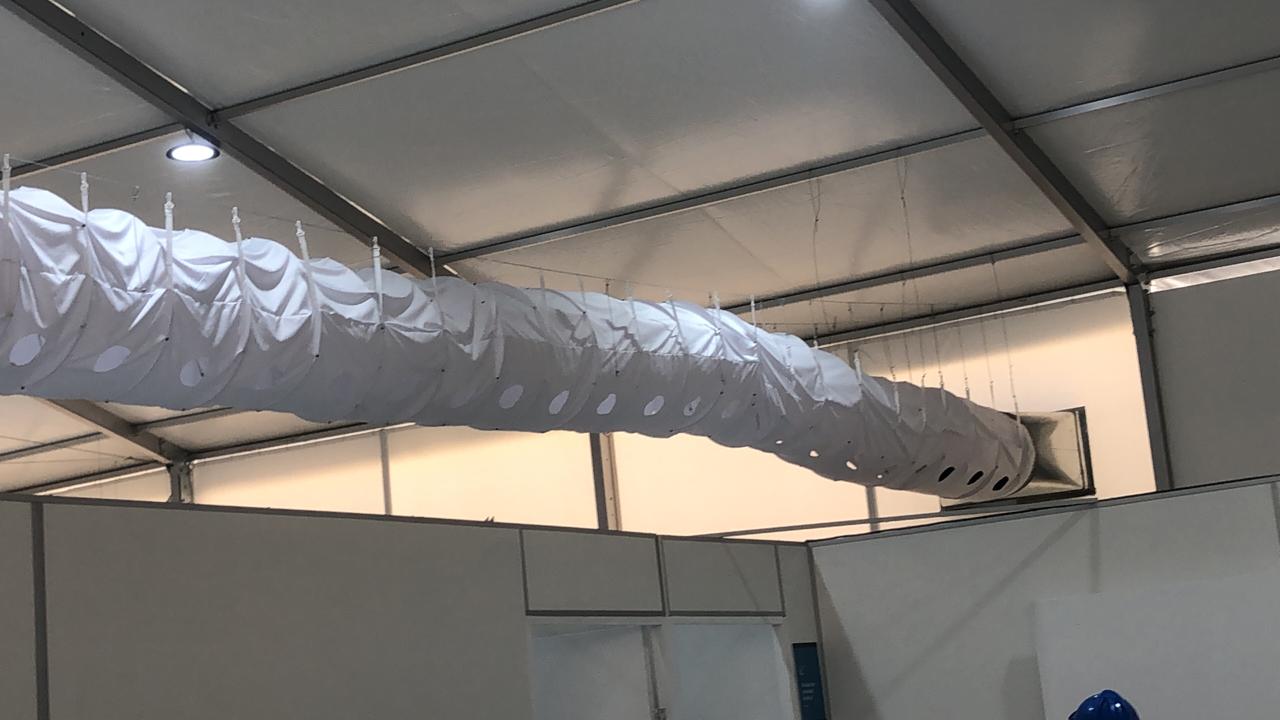
DUCTecoL Textile Duct Applications

Frequently Asked Questions – Wisconsin
How do textile ducts meet Wisconsin’s dairy plant 3-A sanitary standards?
Wisconsin’s 1,200+ dairy plants processing 3.4 billion pounds of cheese annually require USDA 3-A compliant systems. DUCTecoL’s fully machine-washable fabric enables the daily sanitation demanded by SQF and FSMA compliance—impossible to achieve with conventional metal ductwork interiors.
Can DUCTecoL ducts handle Wisconsin’s -35°F northern highlands winters?
Lake-effect snowfall exceeding 100 inches and extreme cold create year-round condensation challenges in Wisconsin’s 37,000+ manufacturing facilities. DUCTecoL’s insulating fabric prevents dripping that metal ducts cannot avoid—protecting products and worker safety across the manufacturing capital.
Are textile ducts suitable for Wisconsin’s engine manufacturing facilities?
Briggs & Stratton, Mercury Marine, Oshkosh Defense, and Harley-Davidson require precision environmental control. DUCTecoL delivers uniform temperature distribution across Wisconsin’s diverse power equipment manufacturing—from small engine assembly to military vehicle production environments.
Master the Wisconsin’s climate with DUCTecoL
Our specialists in Wisconsin have 30+ years combined experience with agricultural processing, automotive, and cold-climate HVAC applications. Schedule your facility assessment today.
DUCTecoL International
📞 +57 301 4529090
📧 sales@ductecol.com
📍 Available: Twin Cities, Chicago, Detroit, Columbus