
Fabric Ducts South Carolina | Textile Air Distribution | DUCTECOL
>>
Fabric Ducts South Carolina — South Carolina | DUCTecoL
Regional Overview & HVAC Challenges
South Carolina represents the fastest-growing manufacturing region in the United States, particularly for automotive and textile production. This 10-state region experiences hot, humid summers (85-95°F with 70-90% humidity) combined with mild winters, creating a climate profile that demands year-round dehumidification and cooling capacity. The combination of high temperatures, moisture, and heavy industrial activity creates extreme HVAC demands that traditional rigid ductwork struggles to meet reliably.
South Carolina’s automotive manufacturing revolution—BMW’s Spartanburg plant (the company’s largest global factory producing 1,500 vehicles daily), Volvo’s Berkeley County assembly complex, and Mercedes-Benz Vans in North Charleston—creates massive demand for precision air distribution in paint shops and assembly halls where textile ducts deliver the draft-free, uniform temperature profiles critical to achieving defect-free automotive finishes. The state’s humid subtropical climate, with Charleston recording average summer humidity above 85% and temperatures exceeding 100°F, combined with tropical storm and hurricane exposure along the 200-mile coastline, challenges HVAC systems with salt-air corrosion and extreme moisture loads that fabric duct systems handle through inherent corrosion immunity. South Carolina’s growing aerospace sector—Boeing’s 787 Dreamliner final assembly in North Charleston, GE Aviation’s LEAP engine components in Greenville, and Lockheed Martin’s F-16 production—alongside the state’s $4 billion tire manufacturing industry with Michelin, Bridgestone, and Continental, drives diverse applications for DUCTecoL’s industrial-grade textile duct solutions.
South Carolina’s rapid industrial expansion, driven by favorable business climates and lower operating costs, has created unprecedented demand for reliable, efficient HVAC solutions. DUCTecoL textile ducts are revolutionizing climate control in South Carolina manufacturing, offering unmatched humidity management and energy efficiency in hot-humid environments.
- Humidity Challenge: Dewpoint control critical in manufacturing environments
- Corrosion Resistance: High salt content near coastal areas demands corrosion-resistant materials
- Energy Efficiency: Extreme cooling loads require optimized duct performance
- Indoor Air Quality: Textile fiber filter properties improve air quality for workers
Key Industries Served
- Automotive Manufacturing: 50+ facilities producing vehicles and components across Tennessee, Alabama, Kentucky, and North Carolina
- Textile Production: Historic textile hub with modernized mills requiring precise climate control for fiber processing
- Food Processing: Poultry processing (Georgia, Arkansas), seafood (North Carolina), dairy and produce facilities
- Aerospace Components: Growing aerospace supply chain in North Carolina and Tennessee
- Electronics Manufacturing: Semiconductor assembly and component manufacturing
DUCTecoL Advantages for South Carolina
- Corrosion-resistant coating protects against salt spray near coastal areas
- Maintains 15-20°F temperature differential in cooling systems for maximum efficiency
- Built-in acoustic properties reduce equipment noise critical in open manufacturing floors
- Improves indoor air quality through micro-fiber filtration (captures 10-100 micron particles)
- 30-35% more efficient than traditional round ducts in high-humidity applications
Technical Specifications for South Carolina Applications
| Specification | South Carolina Standard | Benefit |
|---|---|---|
| Moisture Vapor Transmission Rate (MVTR) | <0.5 grains/hour/SF | Prevents humid air penetration into insulation |
| Salt Spray Resistance | ASTM B117 1000 hours | Protects coastal facilities from corrosion |
| Temperature Control Precision | ±2°F in active cooling | Critical for textile and electronics manufacturing |
| Acoustic Performance | 25+ dB reduction at speech frequencies | OSHA compliance for worker hearing protection |
| Cleanability | Food-grade sanitization compatible | Meets USDA and FDA requirements for food facilities |
South Carolina Regulations & Compliance
- ASHRAE 62.1 IAQ Standards: Full compliance with indoor air quality requirements
- USDA/FDA Food Processing: NSF International certified for food production facilities
- OSHA Noise Regulations: Acoustic design meets 90 dB worker exposure limits
- State Energy Codes: Exceeds efficiency requirements in all 10 states
- Coastal Corrosion Standards: Exceeds C5-M salt spray resistance requirements
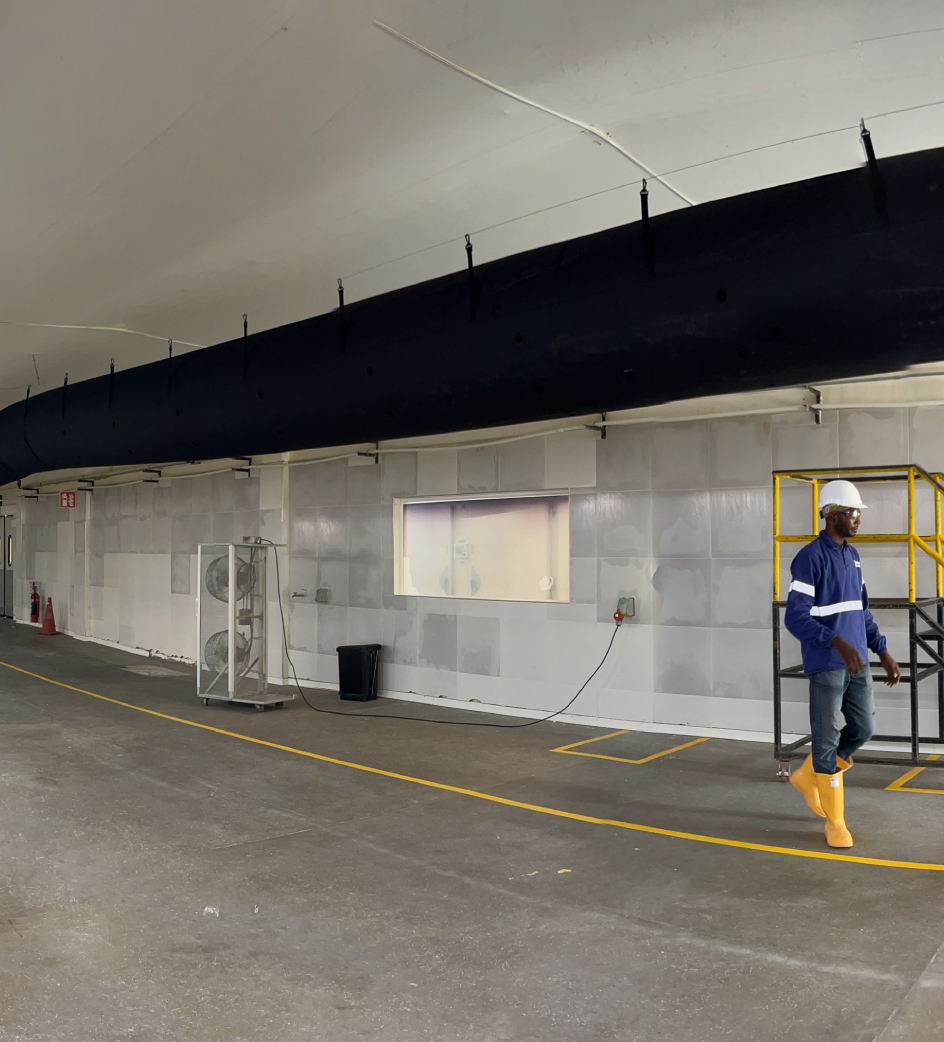
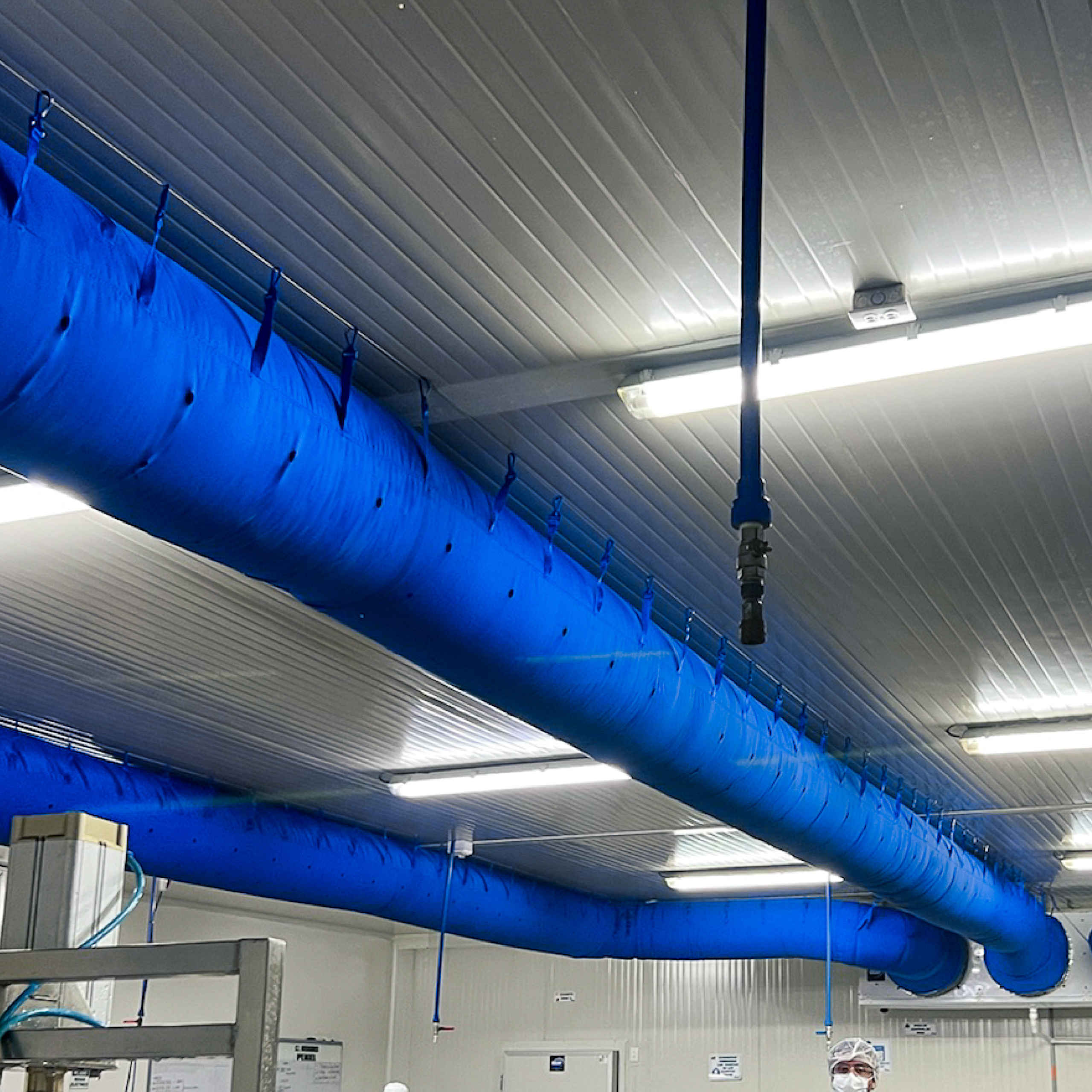
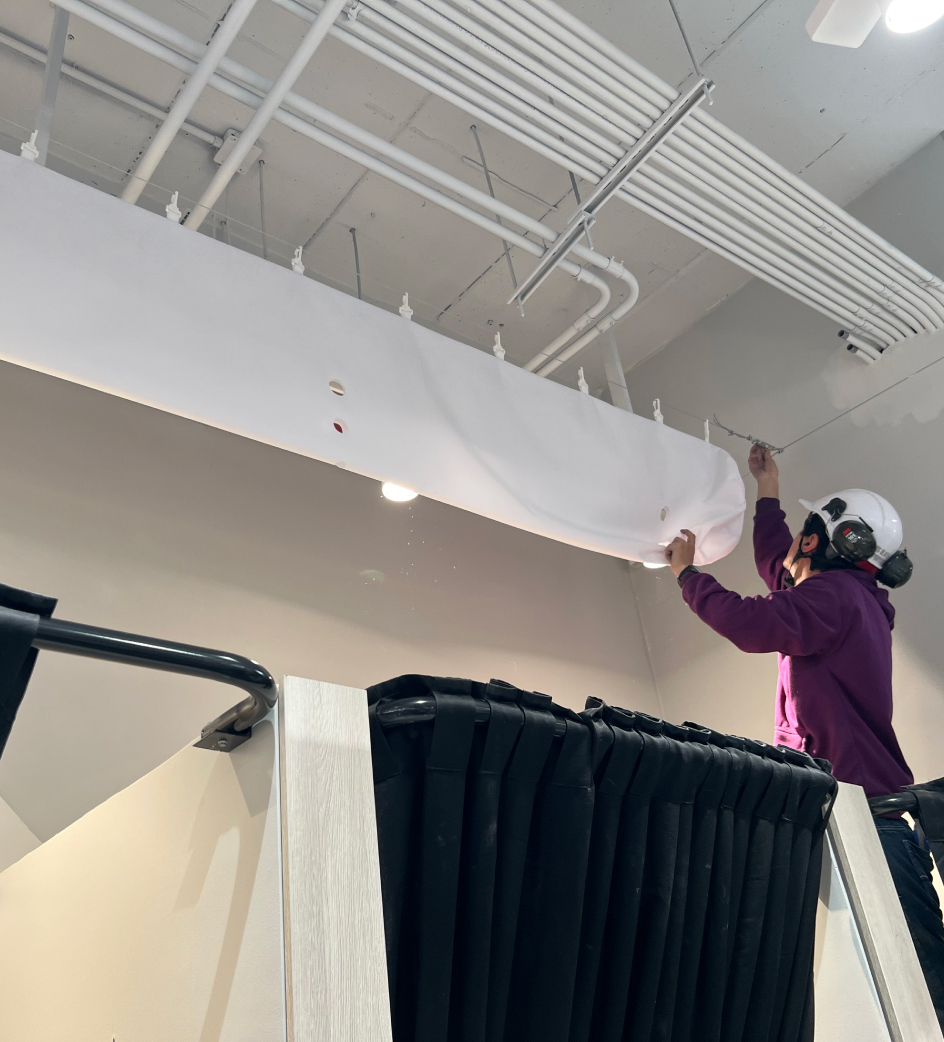
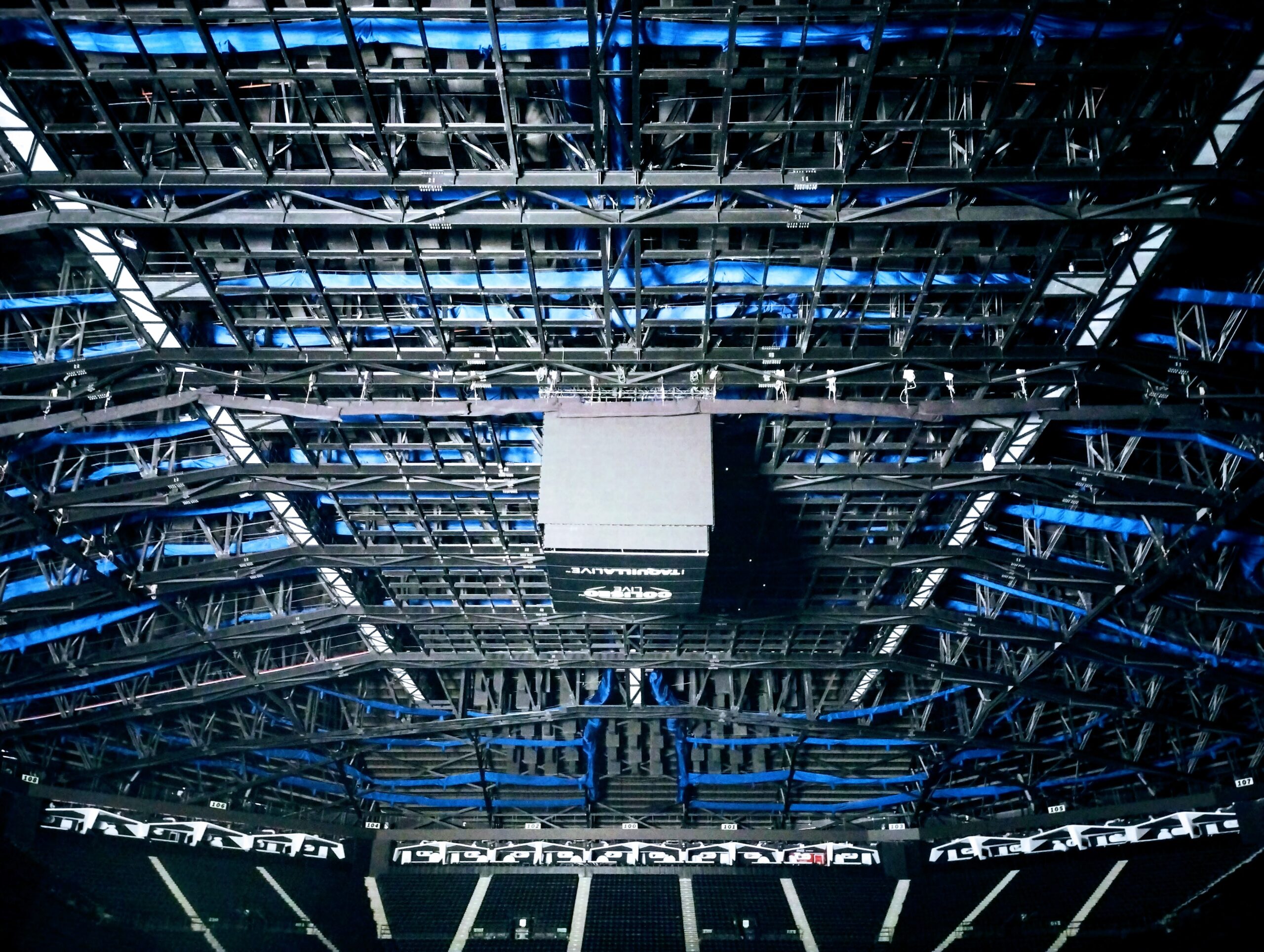
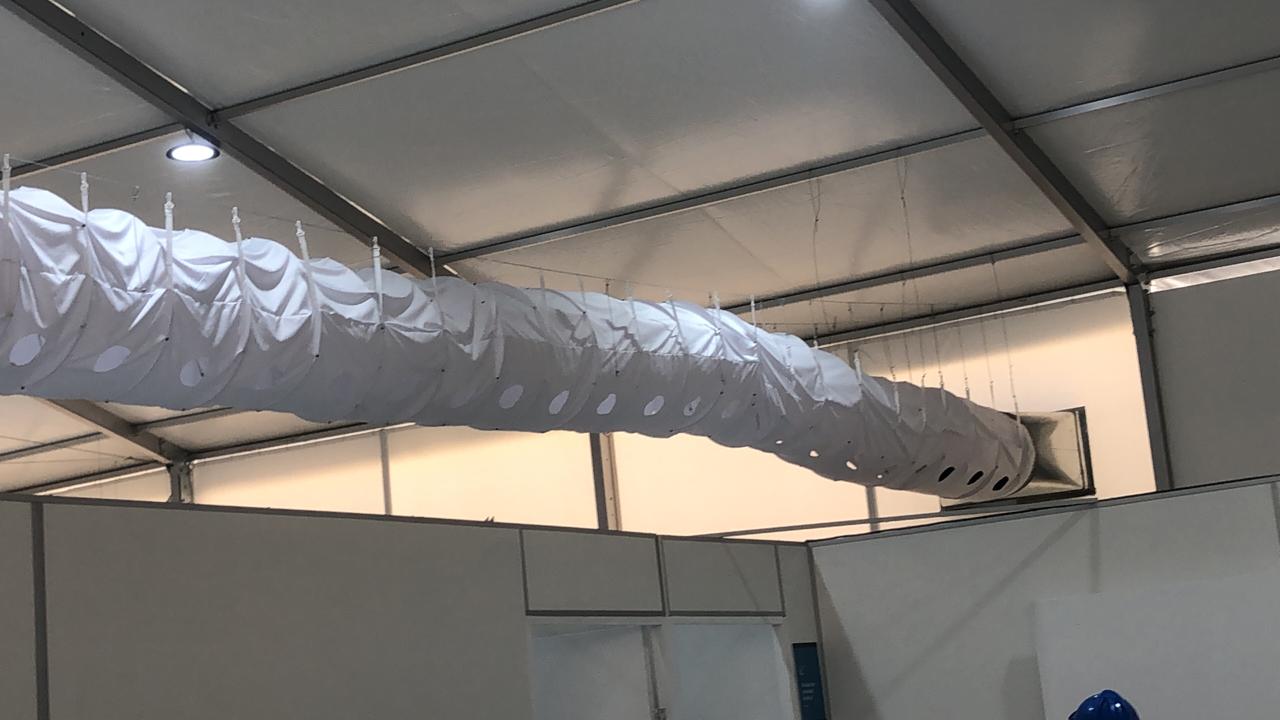
DUCTecoL Textile Duct Applications

Frequently Asked Questions – South Carolina
How do textile ducts meet South Carolina’s automotive paint booth standards?
BMW Spartanburg (1,500 vehicles daily), Volvo Berkeley County, and Mercedes-Benz Vans require draft-free uniform temperatures for defect-free finishes. DUCTecoL’s micro-perforated fabric creates laminar airflow that metal diffusers cannot match at automotive production speeds.
Can DUCTecoL ducts resist South Carolina’s hurricane and salt-air exposure?
With 200 miles of coastline facing tropical storms, South Carolina’s facilities need corrosion-immune systems. DUCTecoL’s polyester fabric handles salt-air and extreme moisture without the rapid degradation that plagues metal ductwork in Charleston’s 85%+ summer humidity.
Are textile ducts suitable for South Carolina’s Boeing 787 assembly facility?
Boeing’s North Charleston Dreamliner final assembly requires cleanroom-grade air distribution in massive production spaces. DUCTecoL provides validated particulate control across the facility’s enormous spans while integrating with South Carolina’s aerospace manufacturing precision requirements.
Optimize Your South Carolina Manufacturing HVAC
DUCTecoL specialists are ready to assess your automotive, textile, or food processing facility’s climate control needs. We provide detailed energy modeling and ROI projections for South Carolina operations.
DUCTecoL International
📞 +57 301 4529090
📧 sales@ductecol.com
📍 Available: Atlanta, Charlotte, Nashville, Memphis