
Fabric Ducts New Mexico | Textile Air Distribution | DUCTECOL
>>
Fabric Ducts New Mexico — New Mexico | DUCTecoL
Regional Overview & HVAC Challenges
New Mexico encompasses America’s energy hub and represents one of the most demanding HVAC climates in North America. This 4-state region includes arid deserts, high-altitude areas, and rapid-growth metropolitan centers with extreme daytime-nighttime temperature swings (40-50°F differential). Texas alone accounts for 12% of US manufacturing, while Arizona and New Mexico lead in mining, oil refining, and aerospace production.
New Mexico’s national laboratory complex—Sandia National Laboratories and Los Alamos National Laboratory, together employing over 25,000 scientists and engineers—requires BSL-3 and classified-space air distribution systems where textile ducts provide documented containment performance with simplified decontamination compared to traditional metal systems. The state’s high-desert climate at elevations exceeding 7,000 feet in Santa Fe and Los Alamos creates thin air with 20% less density than sea level, requiring specialized duct sizing calculations, while summer monsoon storms can shift humidity from 5% to 70% within hours. New Mexico’s emerging space industry, centered around Spaceport America near Truth or Consequences and Virgin Galactic’s operations, combined with Blue Origin’s engine testing facility in Van Horn and the state’s green chile processing industry—the nation’s largest—creates unique applications for DUCTecoL’s altitude-optimized textile duct configurations.
New Mexico’s dry climate poses unique challenges: extreme solar gain, low humidity that causes static electricity issues, dust storms that clog traditional filters, and continuous 24/7 operation demands in oil refineries, food processing, and aerospace manufacturing. DUCTecoL ducts are optimized for these harsh conditions, offering superior dust management, static control, and energy efficiency in extreme heat applications.
- Extreme Solar Heat: Surface temperatures reach 150°F+ in direct sun
- Dust Management: Desert dust storms compromise traditional duct sealing
- Static Electricity Risk: Low humidity creates dangerous static buildup in refineries
- Energy Intensity: Cooling demands are among the highest in the nation
Key Industries Served
- Oil & Gas Refining: 8 major refineries in Texas, accounting for 25% of US refining capacity
- Aerospace Manufacturing: Fort Worth, Dallas, Albuquerque—major aircraft and defense contractors
- Food Processing: Massive dairy, beef, and vegetable processing throughout Texas and New Mexico
- Mining & Mineral Processing: Copper, oil, uranium mining with unique environmental control needs
- Technology & Data Centers: Austin, Dallas, Houston—major tech hubs with expanding data center infrastructure
DUCTecoL Advantages for New Mexico
- Electrostatic dissipative (ESD) variant eliminates static risk in oil refineries
- Advanced dust filtration reduces filter replacement by 50% in dusty environments
- Improved insulation reduces cooling energy by 20-30% vs. traditional ducts
- Low-friction interior reduces fan energy across the board
- Sealed seams prevent dust infiltration that degrades product quality
Technical Specifications for New Mexico Applications
| Specification | New Mexico Standard | Benefit |
|---|---|---|
| Surface Temperature Resistance | Up to 180°F external | Handles extreme solar gain without degradation |
| Dust Capture Efficiency | MERV 8-11 equivalent | 50% reduction in downstream filter replacements |
| ESD Properties (Optional) | <10^6 ohms surface resistance | Safe operation in Class II Division 1 hazardous locations |
| Pressure Drop | Lower than all alternatives | Reduced cooling energy 20-30% in extreme heat |
| UV Resistance | ASTM G154 Type 4 qualified | Outdoor runs maintain integrity for 20+ years |
New Mexico Regulations & Compliance
- OSHA Hazardous Location Classification: ESD variant approved for Class II Division 1 (combustible dust) areas
- API 1140 Refinery Standards: Meets petrochemical facility air quality requirements
- Texas Energy Code: Exceeds all efficiency requirements
- NFPA 654 Dust Handling: Compliant for grain, coal, and powder processing facilities
- FAA Aerospace Standards: Approved for aircraft component manufacturing facilities
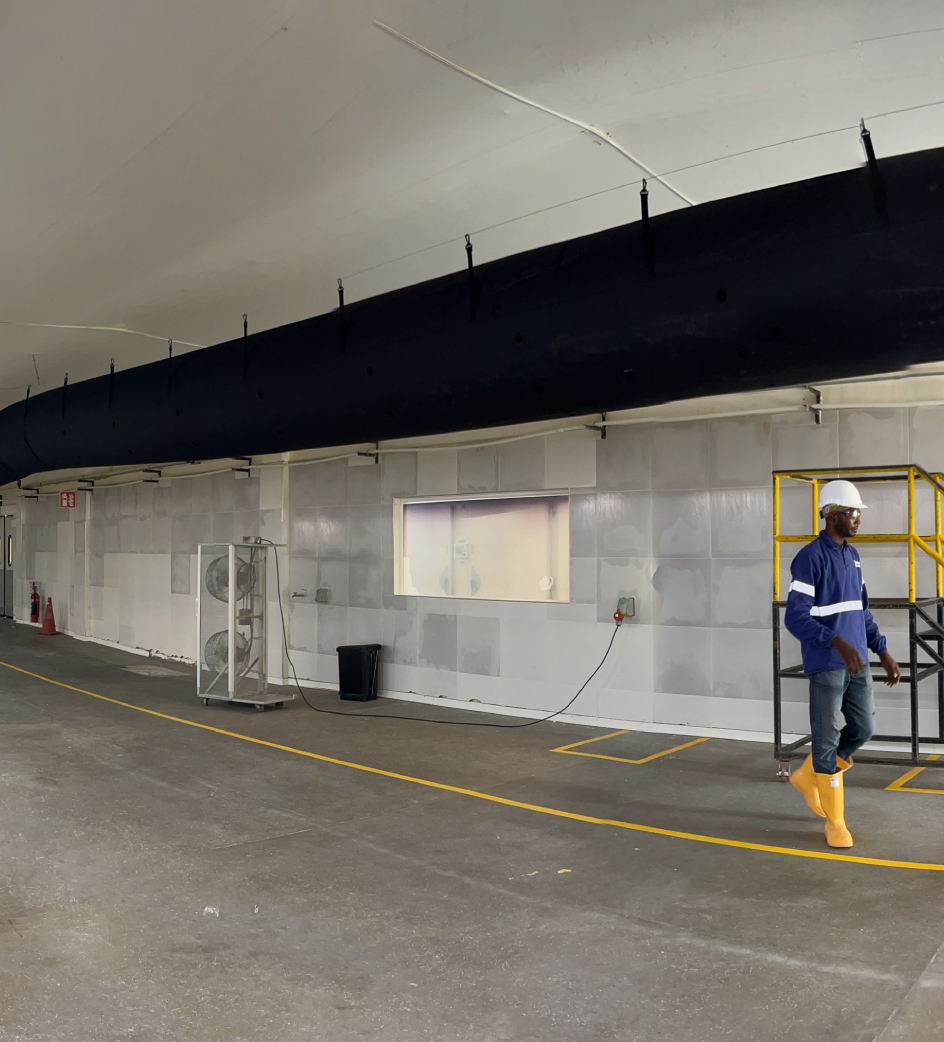
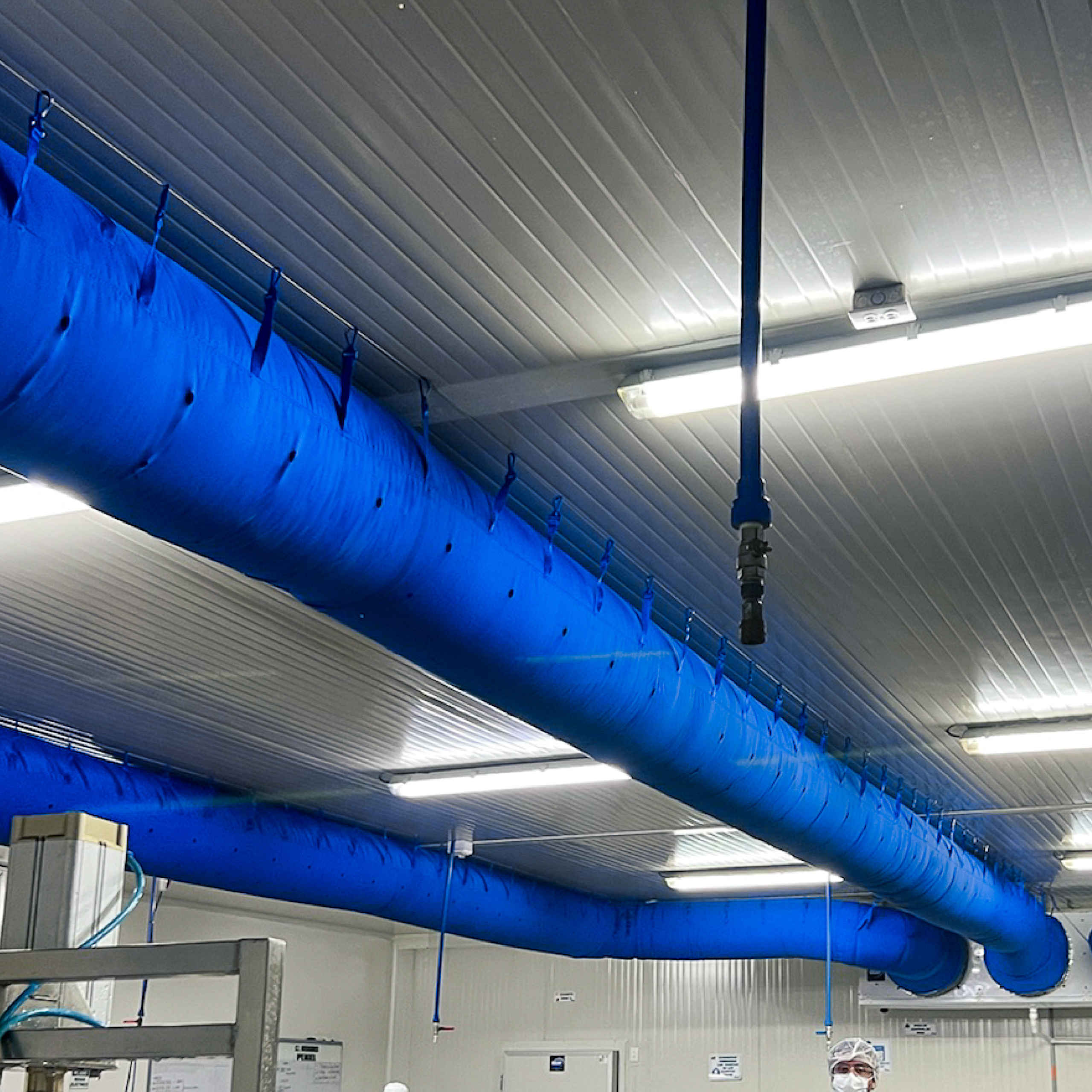
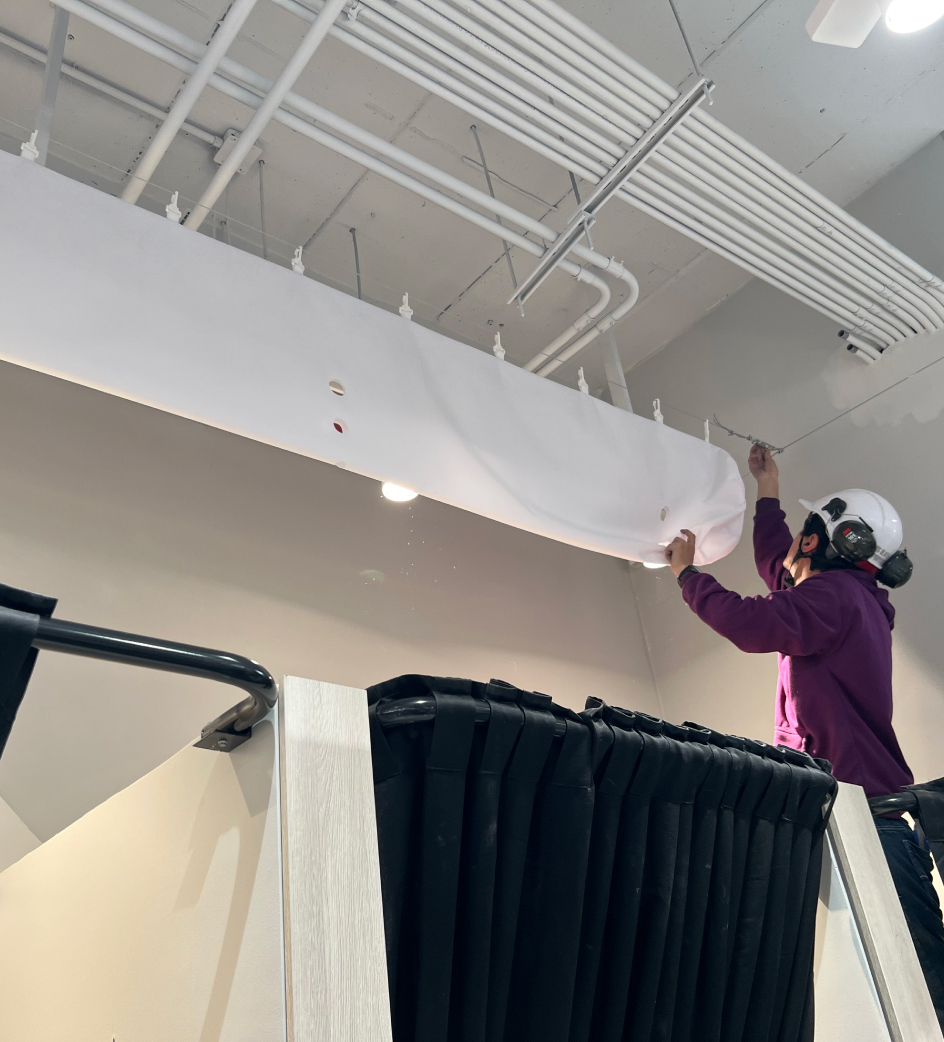
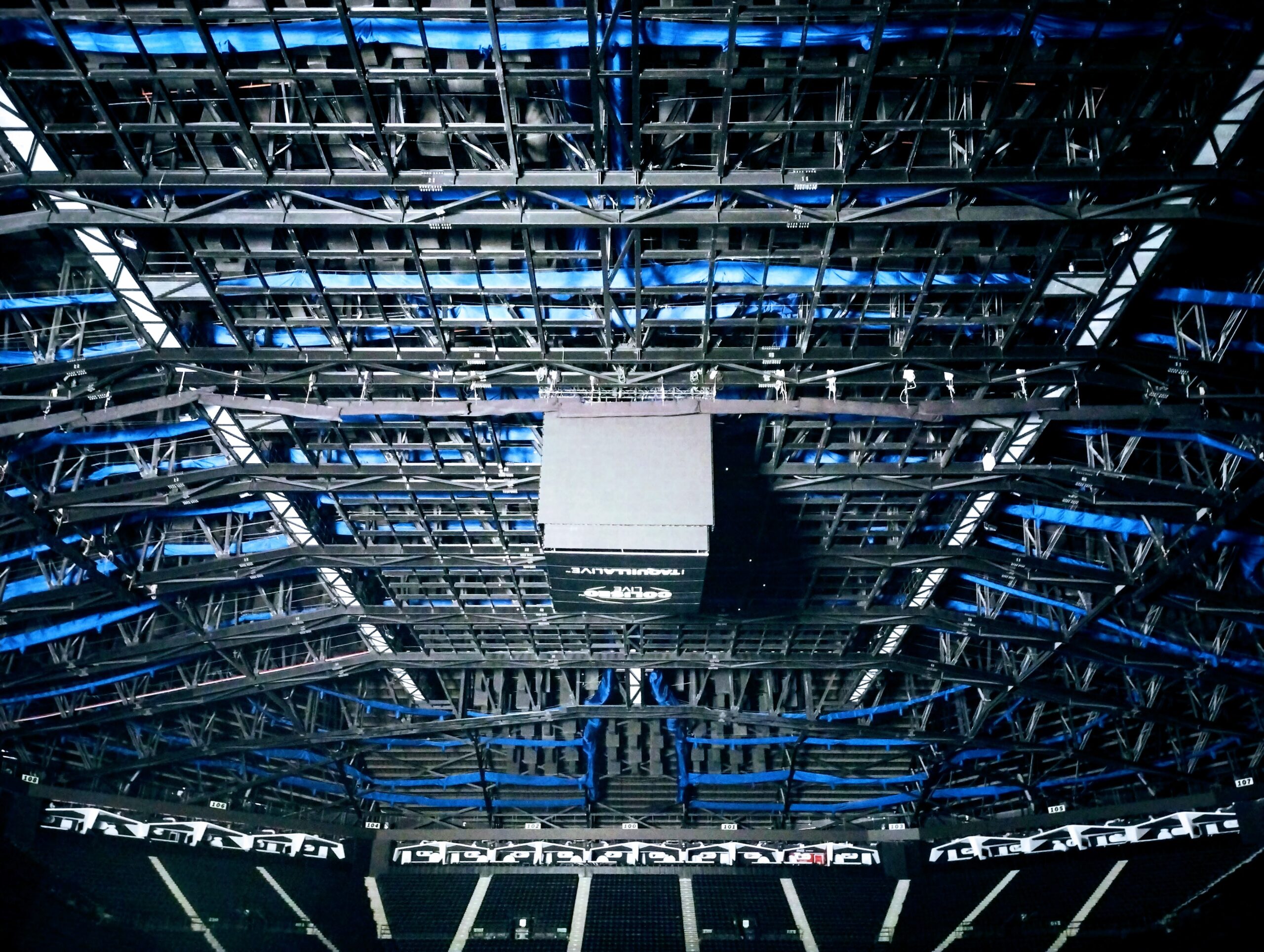
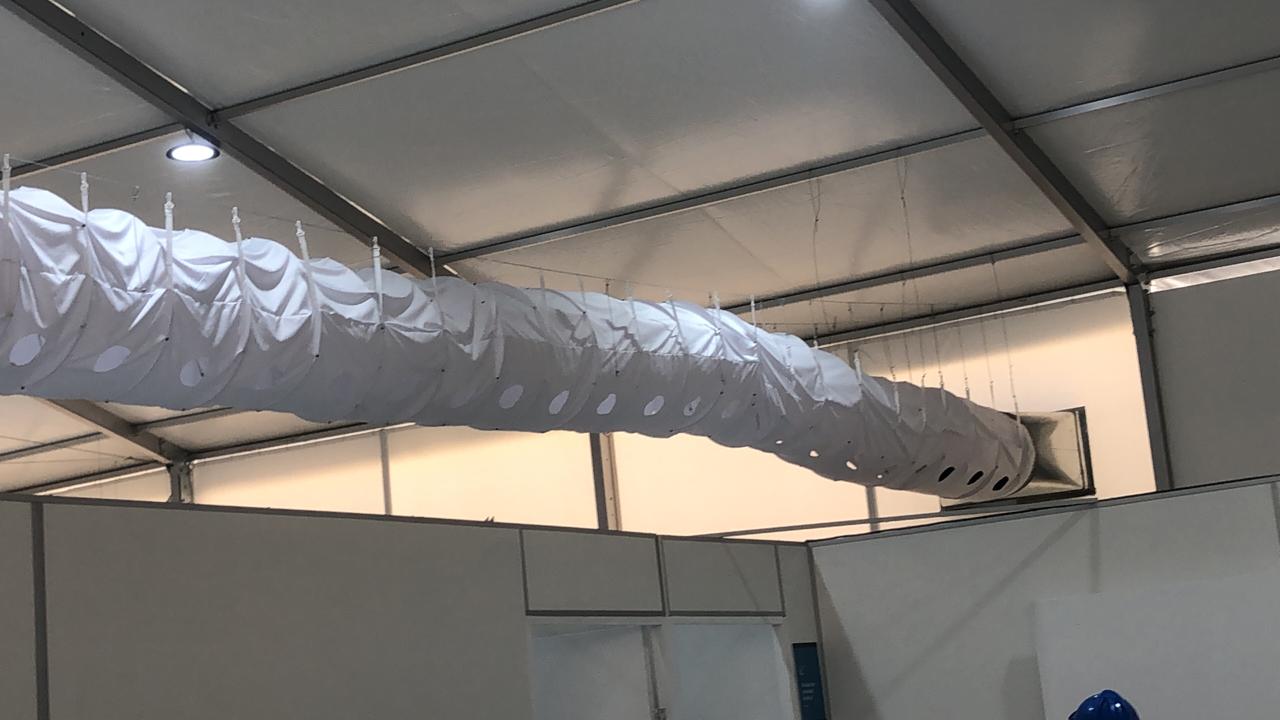
DUCTecoL Textile Duct Applications

Frequently Asked Questions – New Mexico
How does altitude affect DUCTecoL duct sizing in New Mexico?
At 7,000+ feet in Santa Fe and Los Alamos, air density drops 20%. DUCTecoL engineers altitude-compensated systems with adjusted permeability and sizing—our lightweight fabric handles these larger dimensions without the structural costs of oversized metal ductwork.
Are textile ducts used in New Mexico’s national laboratories?
Sandia and Los Alamos National Labs require BSL-3 and classified-space air distribution. DUCTecoL provides documented containment performance with simplified decontamination—serving 25,000+ scientists and engineers across New Mexico’s critical research infrastructure.
How do DUCTecoL ducts handle New Mexico’s monsoon humidity swings?
New Mexico’s summer monsoons shift humidity from 5% to 70% within hours. DUCTecoL’s adaptive fabric responds to these rapid changes without the condensation shock that causes dripping in metal ducts—critical for protecting sensitive equipment in laboratory and manufacturing environments.
Conquer New Mexico Heat & Dust with DUCTecoL
Our specialists in New Mexico understand oil refining, aerospace, and food processing in extreme heat. Contact us for facility assessments and energy savings projections.
New Mexico Center
📞 +57 301 4529090
📧 sales@ductecol.com
📍 Available: Dallas, Houston, Phoenix, Albuquerque