
Fabric Ducts Colorado | Textile Air Distribution | DUCTECOL
>
Fabric Ducts Colorado — Colorado | DUCTecoL
Regional Overview & HVAC Challenges
Colorado West encompasses 6 diverse states with unique HVAC challenges: high elevation (Denver at 5,280 ft, Colorado Springs even higher), thin air with lower oxygen content, intense solar radiation, and rapid day-night temperature swings. This region includes ski resorts at 12,000+ feet elevation, mining operations in harsh mountain terrain, pharmaceutical manufacturing in Boulder and Denver, and rapidly expanding data centers in neutral-power locations.
Colorado’s mile-high altitude creates unique HVAC engineering challenges, as air density at 5,280 feet is approximately 17% lower than at sea level, requiring careful recalculation of duct sizing and airflow velocities that textile duct systems accommodate through adjustable permeability. The state’s thriving aerospace sector—home to Lockheed Martin’s Waterton facility, Ball Aerospace in Boulder, and the United Launch Alliance in Centennial—demands precision climate control in cleanroom manufacturing environments. Colorado’s craft brewing industry, the fourth largest in the nation with over 430 breweries, along with the growing cannabis cultivation sector requiring precise environmental control, provides diverse applications for DUCTecoL’s antimicrobial fabric duct solutions.
High-elevation facilities present extraordinary HVAC challenges: lower barometric pressure affects air density and cooling capacity; lower oxygen content limits combustion and affects chemical processes; intense solar radiation in clear mountain air creates massive cooling loads. DUCTecoL ducts are engineered for high-altitude performance, with special consideration for pressure dynamics and thermal efficiency at elevation.
- High-Elevation Pressure Issues: Lower barometric pressure affects cooling capacity and compressor efficiency
- Extreme Solar Intensity: Clear mountain air and high altitude create intense solar gain
- Rapid Temperature Swings: 30-40°F day-to-night variation common in Colorado areas
- Mining Operations: Underground facilities require specialized ventilation and humidity control
Key Industries Served
- Ski Resorts & Tourism: Premium resort facilities requiring sophisticated climate control for guest comfort
- Pharmaceutical Manufacturing: Boulder, Denver biotech and pharmaceutical facilities at elevation
- Mining Operations: Underground mining facilities with unique ventilation requirements
- Data Centers: Expanding neutral-power data center industry in Colorado and Montana
- Research Facilities: High-altitude research institutions requiring precise environmental control
DUCTecoL Advantages for Colorado
- Pressure-optimized design for high-altitude cooling efficiency
- Superior insulation reduces solar gain effects in intense mountain sunlight
- Flexible construction accommodates rapid temperature swings
- Mining-grade durability for harsh underground environments
- Supports cleanroom requirements for pharmaceutical manufacturing at elevation
Technical Specifications for Colorado Applications
| Specification | Colorado Standard | Benefit |
|---|---|---|
| Elevation Operating Range | Sea level to 15,000 ft | Accommodates entire Colorado region |
| Pressure Drop Optimization | Corrected for altitude | Maintains cooling efficiency despite lower air density |
| Solar Gain Resistance | Reflective coating reduces surface temp 25°F | Handles intense high-altitude solar radiation |
| Temperature Cycling Endurance | 500+ freeze-thaw cycles + 1000+ day-night swings | Superior durability in Colorado temperature extremes |
| Cleanroom Classification | ISO 6-7 achievable at 10,000+ ft elevation | Supports pharmaceutical manufacturing at altitude |
Colorado Regulations & Compliance
- Colorado Air Quality Division: Full compliance with Colorado elevation standards
- Mine Safety & Health Administration (MSHA): Approved for mining facility ventilation
- Ski Resort Building Codes: Meets all mountain construction standards
- Pharmaceutical Elevation Requirements: FDA-compliant at high altitudes
- Data Center Efficiency Standards: Supports PUE targets at elevation
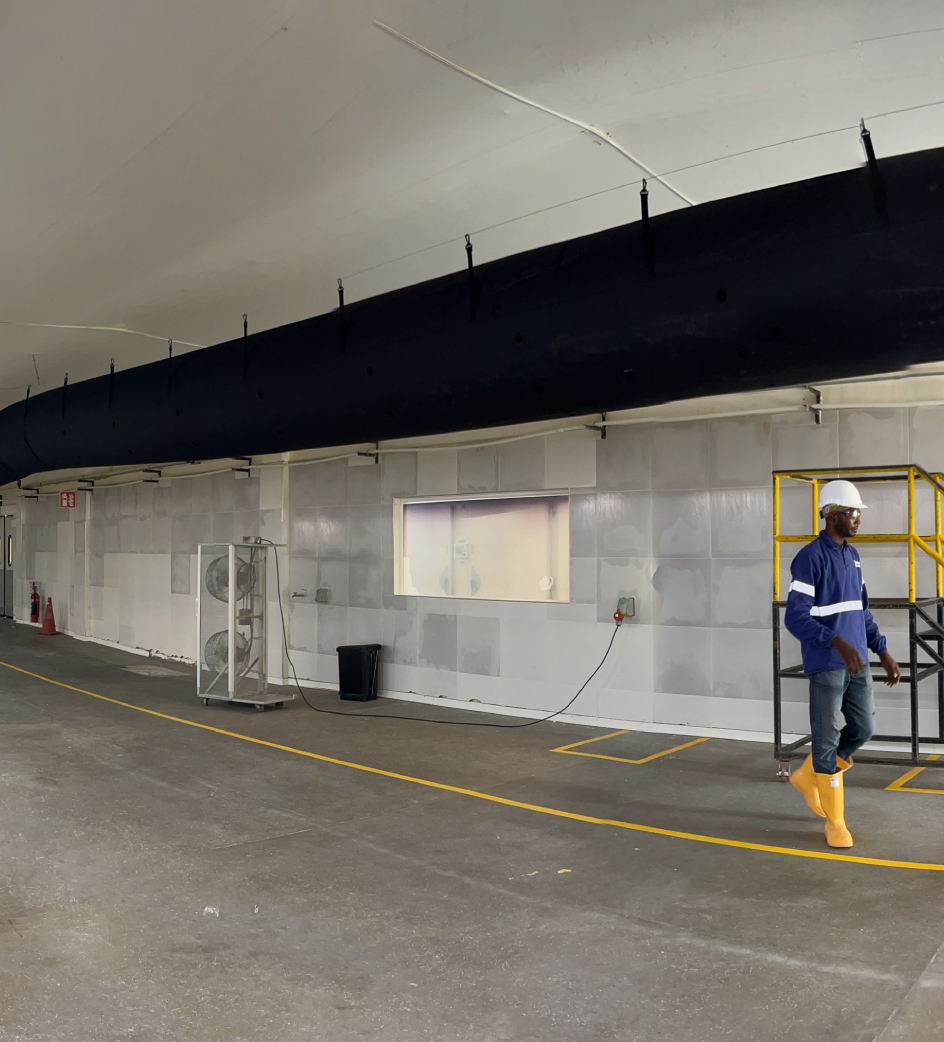
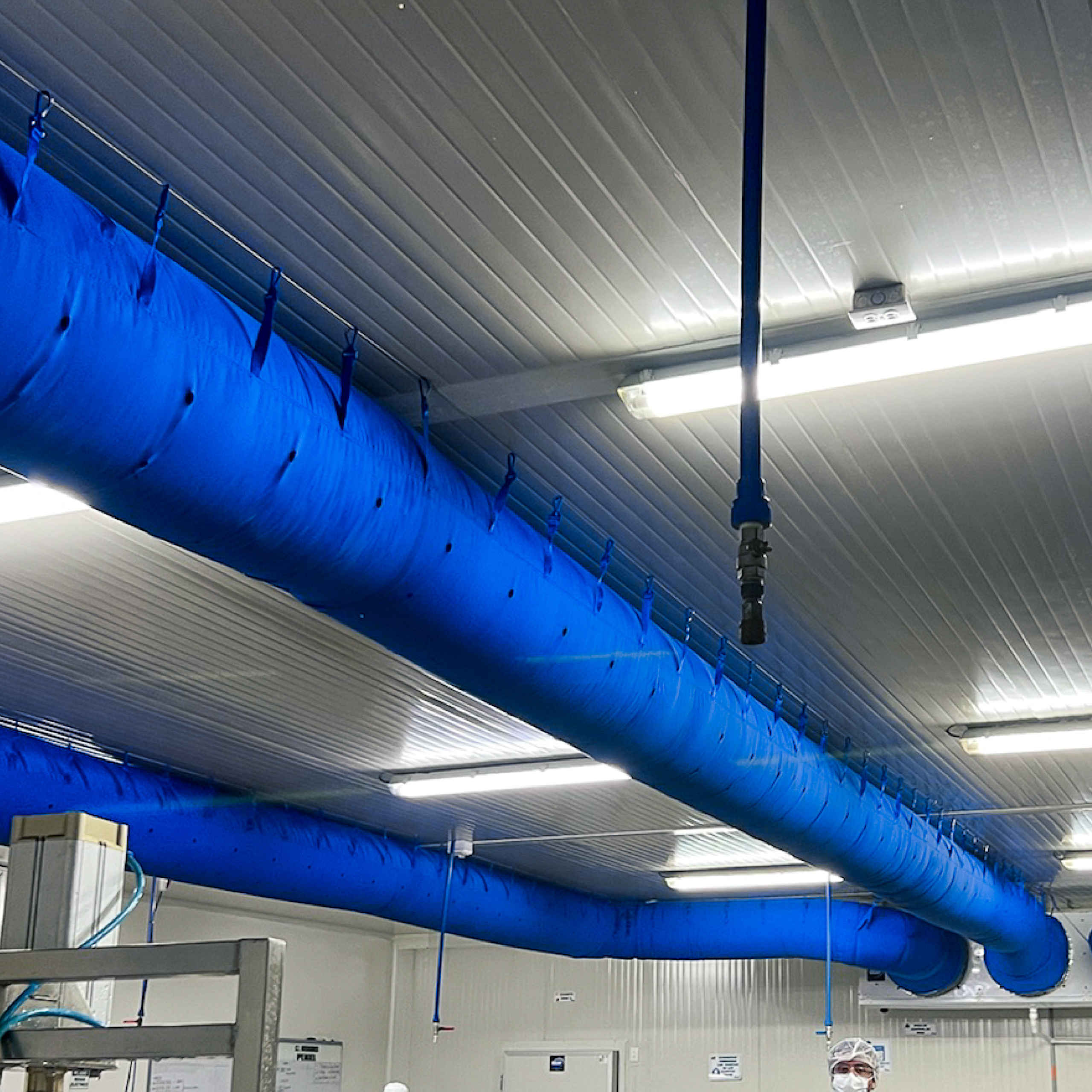
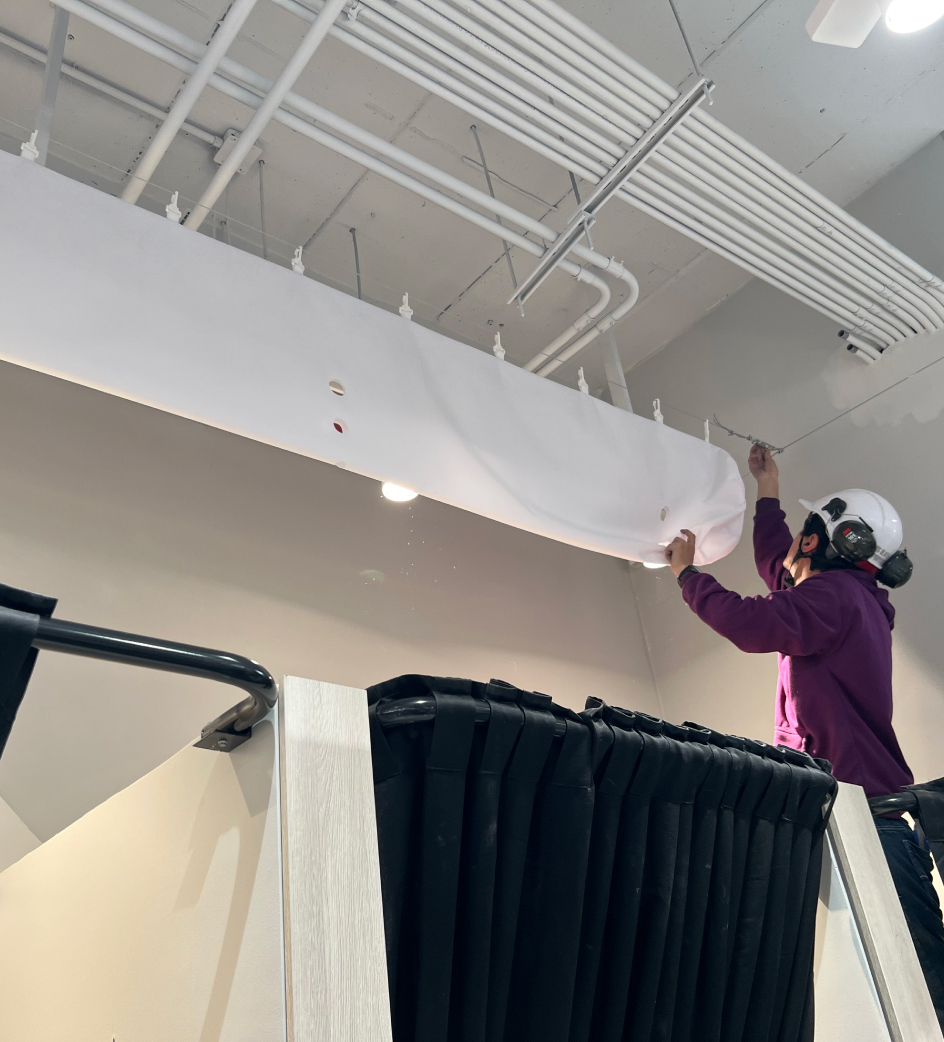
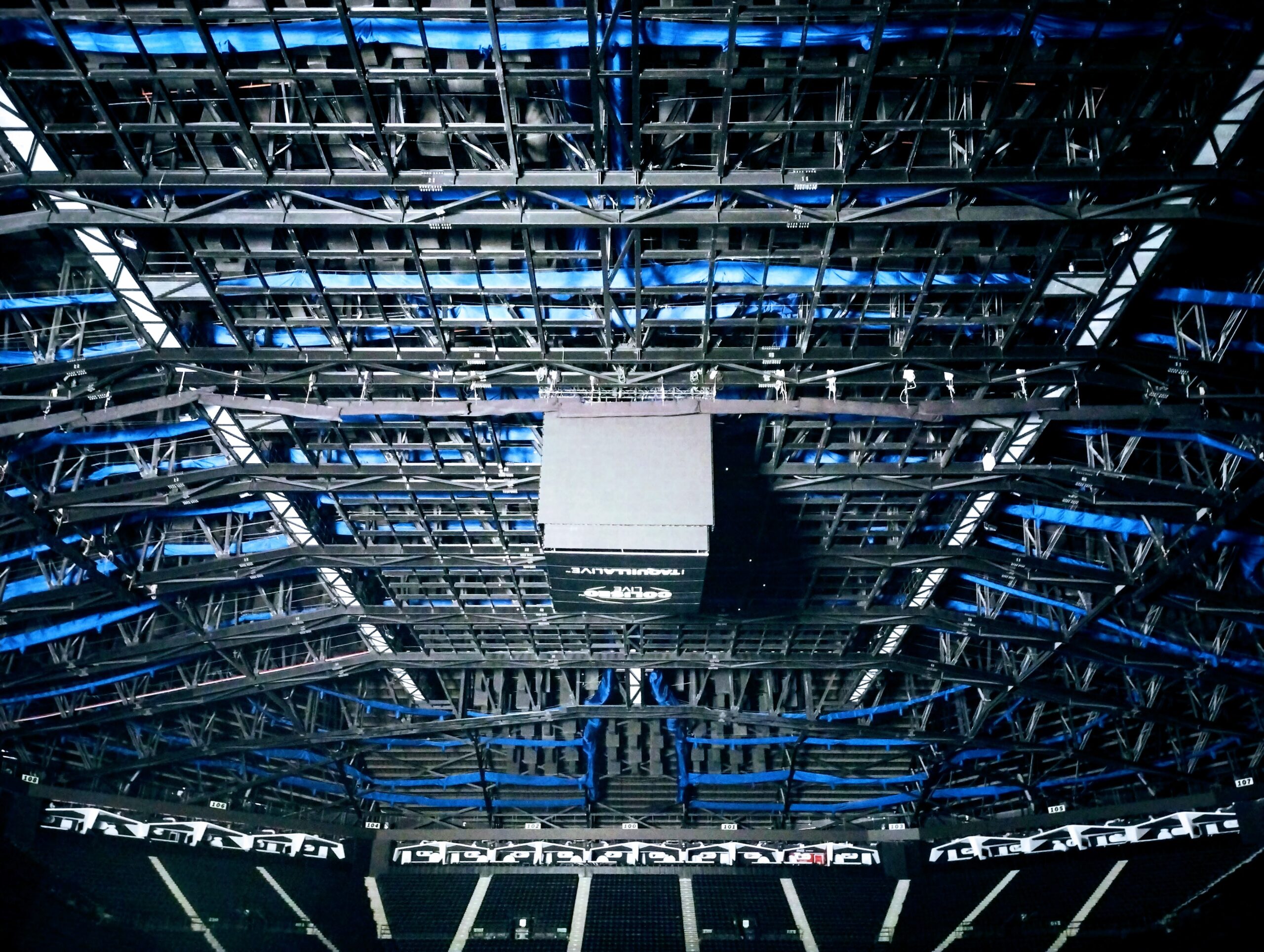
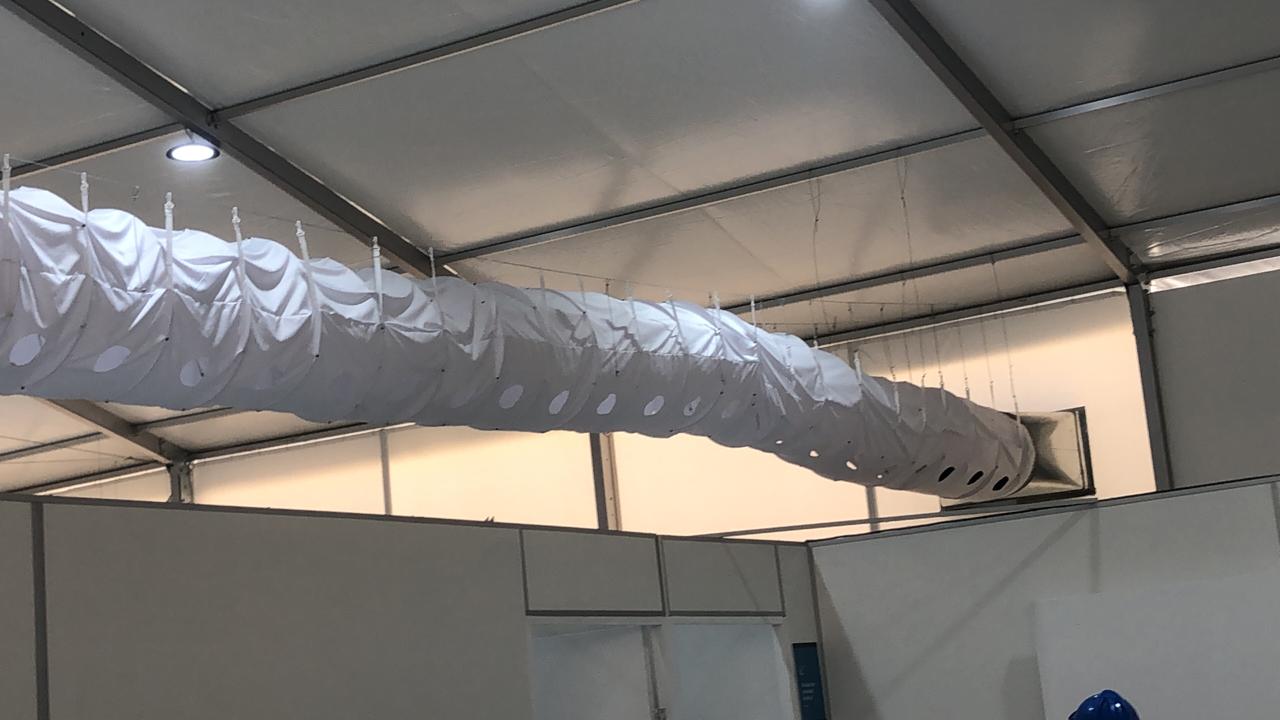
DUCTecoL Textile Duct Applications

Frequently Asked Questions – Colorado
How does altitude affect textile duct performance in Colorado?
At 5,280+ feet, air density drops 17%, requiring larger duct diameters for equivalent airflow. DUCTecoL engineers altitude-compensated systems for Colorado facilities, adjusting permeability and sizing—something our lightweight fabric achieves without the structural weight penalty of oversized metal ducts.
Are DUCTecoL ducts used in Colorado’s aerospace cleanrooms?
Yes. Lockheed Martin Waterton, Ball Aerospace in Boulder, and United Launch Alliance in Centennial all benefit from our ISO-certified fabric systems that deliver laminar flow in cleanroom environments while accommodating Colorado’s altitude-adjusted airflow requirements.
Can textile ducts handle Colorado’s rapid weather changes?
Colorado can experience 60°F temperature swings in 24 hours. DUCTecoL’s flexible fabric absorbs thermal expansion silently, unlike metal ducts that pop and bang. Our systems maintain consistent delivery through Denver’s chinook winds and mountain snowstorms alike.
Elevation HVAC Expertise You Can Count On
DUCTecoL’s our specialists in Colorado have proven expertise in ski resorts, mining, pharma manufacturing, and high-altitude data centers. Contact us today.
Colorado Headquarters
📞 +57 301 4529090
📧 sales@ductecol.com
📍 Available: Denver, Boulder, Salt Lake City, Aspen