
Fabric Ducts Nebraska | Textile Air Distribution | DUCTECOL
>>
Fabric Ducts Nebraska — Nebraska | DUCTecoL
Regional Overview & HVAC Challenges
The Heartland of America encompasses 12 states with a critical role in global agriculture, automotive manufacturing, and industrial production. Nebraska experiences extreme seasonal variations: brutally cold winters (-20°F to -40°F) combined with hot, humid summers (85-95°F). This 120-140°F annual temperature differential creates extraordinary stress on traditional HVAC systems, with freeze-thaw cycles that cause metal ductwork failure, corrosion, and energy waste.
Nebraska’s meat processing dominance—home to the nation’s largest concentration of beef packing plants including Tyson in Lexington, JBS in Grand Island, Cargill in Schuyler, and Greater Omaha Packing—makes it the epicenter for food-grade washable air distribution systems where DUCTecoL’s antimicrobial textile ducts meet USDA-FSIS requirements for daily sanitation cycles. The state’s Nebraska’s plains climate produces extreme temperature ranges from -35°F winter blizzards to 110°F summer heat waves, with sudden severe thunderstorms generating rapid pressure drops that can collapse poorly designed duct systems—a risk textile ducts mitigate through their inherent flexibility. Nebraska’s insurance industry cluster in Omaha—hosting Berkshire Hathaway, Mutual of Omaha, and Pacific Life alongside growing data center operations from Facebook and Google—requires precision climate control in both traditional office environments and high-density server facilities where fabric ducts reduce hot-aisle temperatures by up to 15°F.
Nebraska facilities face continuous HVAC pressure from both climate extremes. DUCTecoL textile ducts are engineered for this demanding continental climate, offering superior performance in agricultural processing, automotive manufacturing, and heavy industry applications throughout the region.
- Extreme Temperature Differential: 120-140°F annual range requires flexible ductwork
- Agricultural Processing: Grain drying, dairy operations, food processing on massive scale
- Heavy Industry: Steel, manufacturing, automotive assembly demand 24/7 reliable cooling
- Energy Efficiency: Cold climate necessitates superior insulation to minimize heating costs
Key Industries Served
- Agriculture & Food Processing: Corn ethanol plants (Minnesota, Iowa), grain elevators, dairy processing across the entire region
- Automotive Manufacturing: Major assembly plants in Michigan, Indiana, Ohio, and Illinois
- Steel & Metal Production: Primary steel producers in Indiana, Ohio, and Pennsylvania (neighboring)
- Pharmaceutical Manufacturing: Growing biotech and pharmaceutical production in Illinois and Wisconsin
- Food & Beverage: Massive brewing, dairy, and meat processing operations
DUCTecoL Advantages for Nebraska
- Superior insulation (R-6.5) reduces winter heating costs by up to 40% vs. metal ducts
- Freeze-thaw cycle resistance extends system life by 10-15 years
- Acoustic design quiets equipment in open agricultural and manufacturing facilities
- Moisture management prevents condensation in grain drying and dairy applications
- Easy winter maintenance—no ice blockages or pressure relief issues
Technical Specifications for Nebraska Applications
| Specification | Nebraska Standard | Benefit |
|---|---|---|
| Insulation R-Value | R-6.5 to R-8.0 | 40% heating energy savings vs. uninsulated alternatives |
| Pressure Drop Coefficient | 0.025 @ 2000 FPM | Fan energy 15-20% lower than equivalent rigid ductwork |
| Thermal Cycling Endurance | 1000+ freeze-thaw cycles | Outperforms all competitors in temperature extremes |
| Acoustic Performance | 35+ dB reduction across spectrum | Ideal for large-scale manufacturing floors |
| Hygiene Rating | HACCP certified for food contact | Meets USDA standards for agricultural processing |
Nebraska Regulations & Compliance
- ASHRAE Winter Operation Standards: Certified for operation in sub-zero conditions
- USDA/FDA Agricultural Processing: Full compliance for food-grade facility requirements
- State Energy Codes: Exceeds efficiency standards in Minnesota, Wisconsin, and Michigan
- Ethanol Facility Standards: Approved for hazardous classification in ethanol production
- Thermal Performance Testing: NFRC certified insulation values
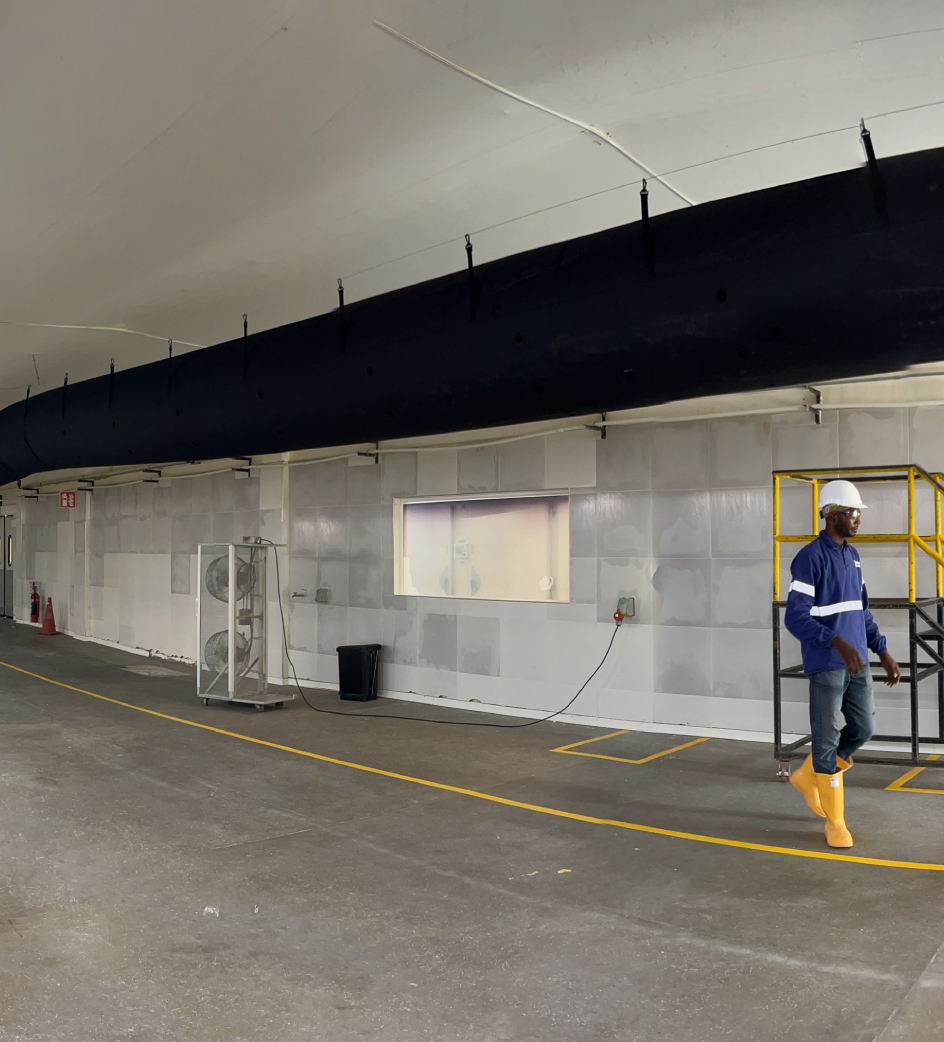
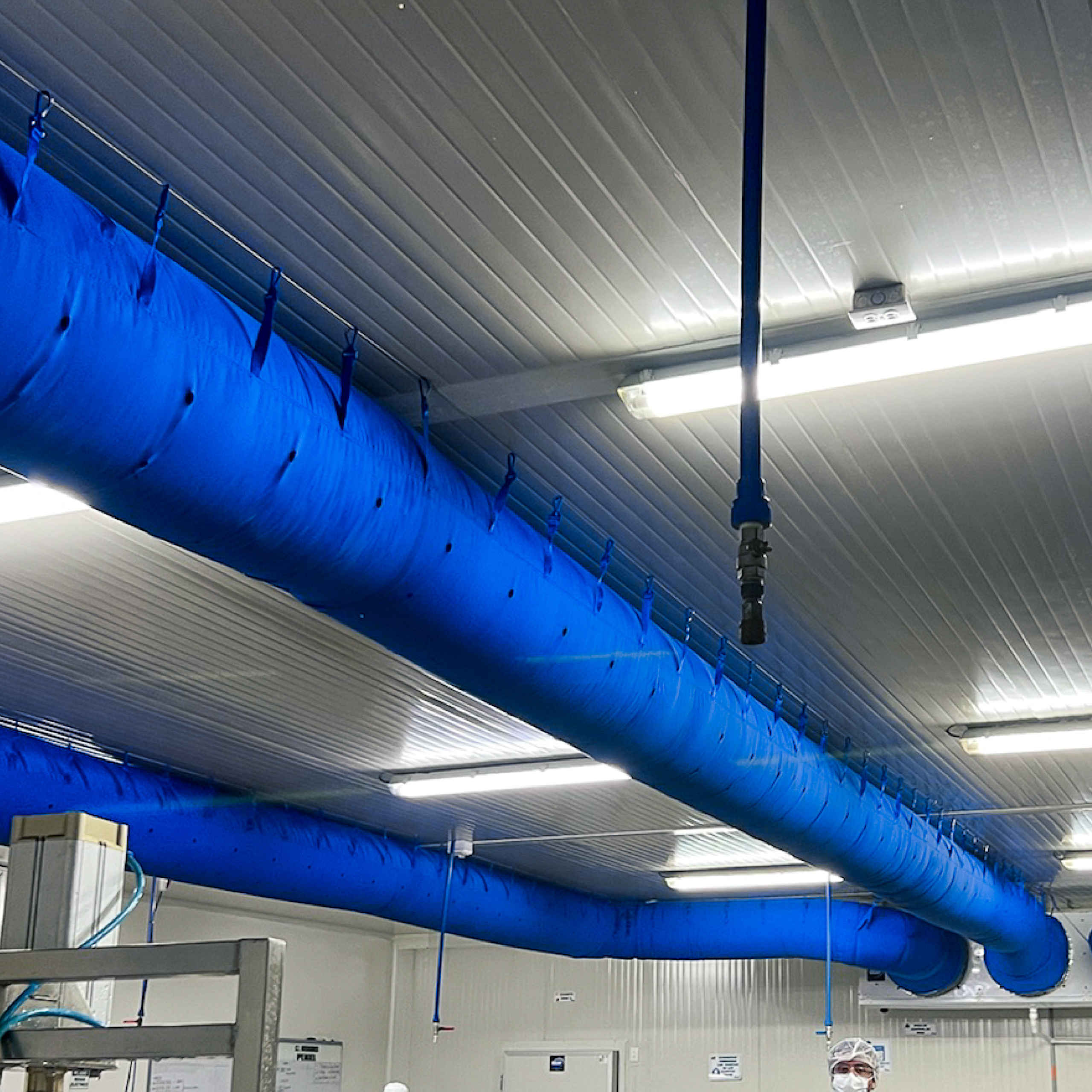
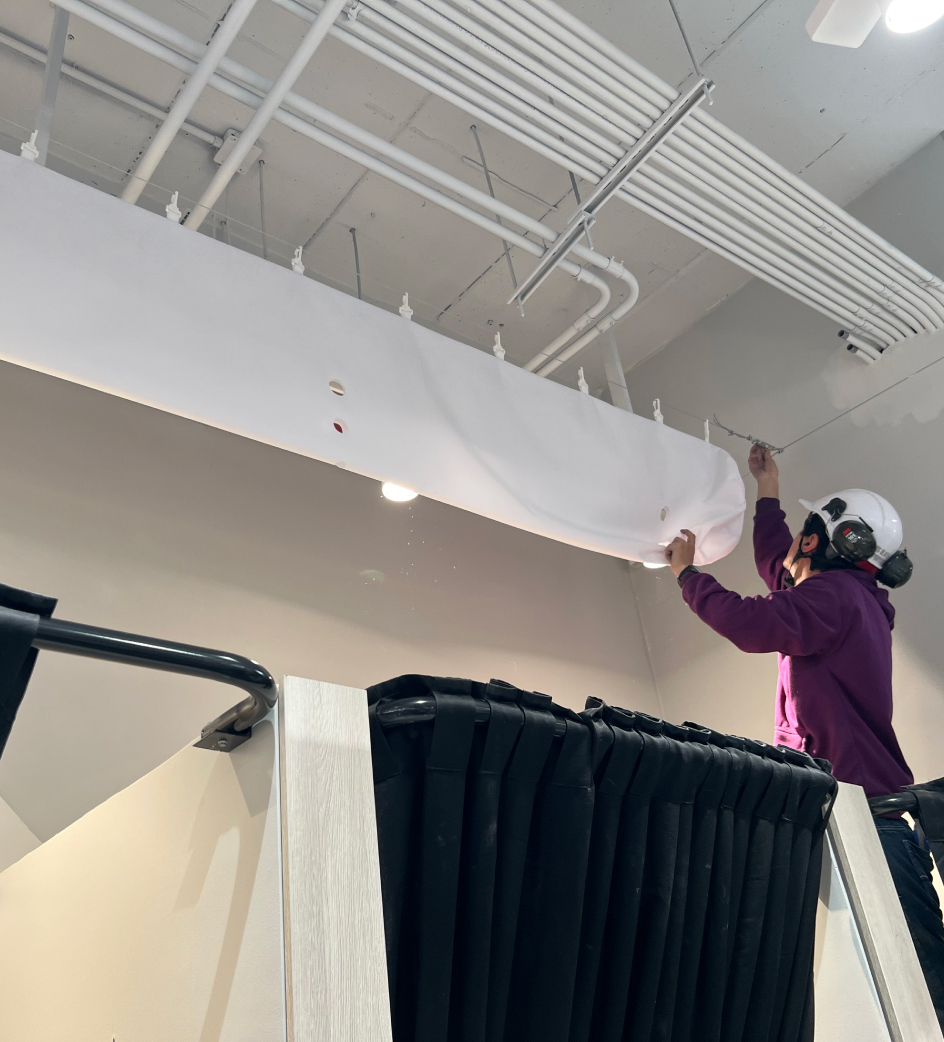
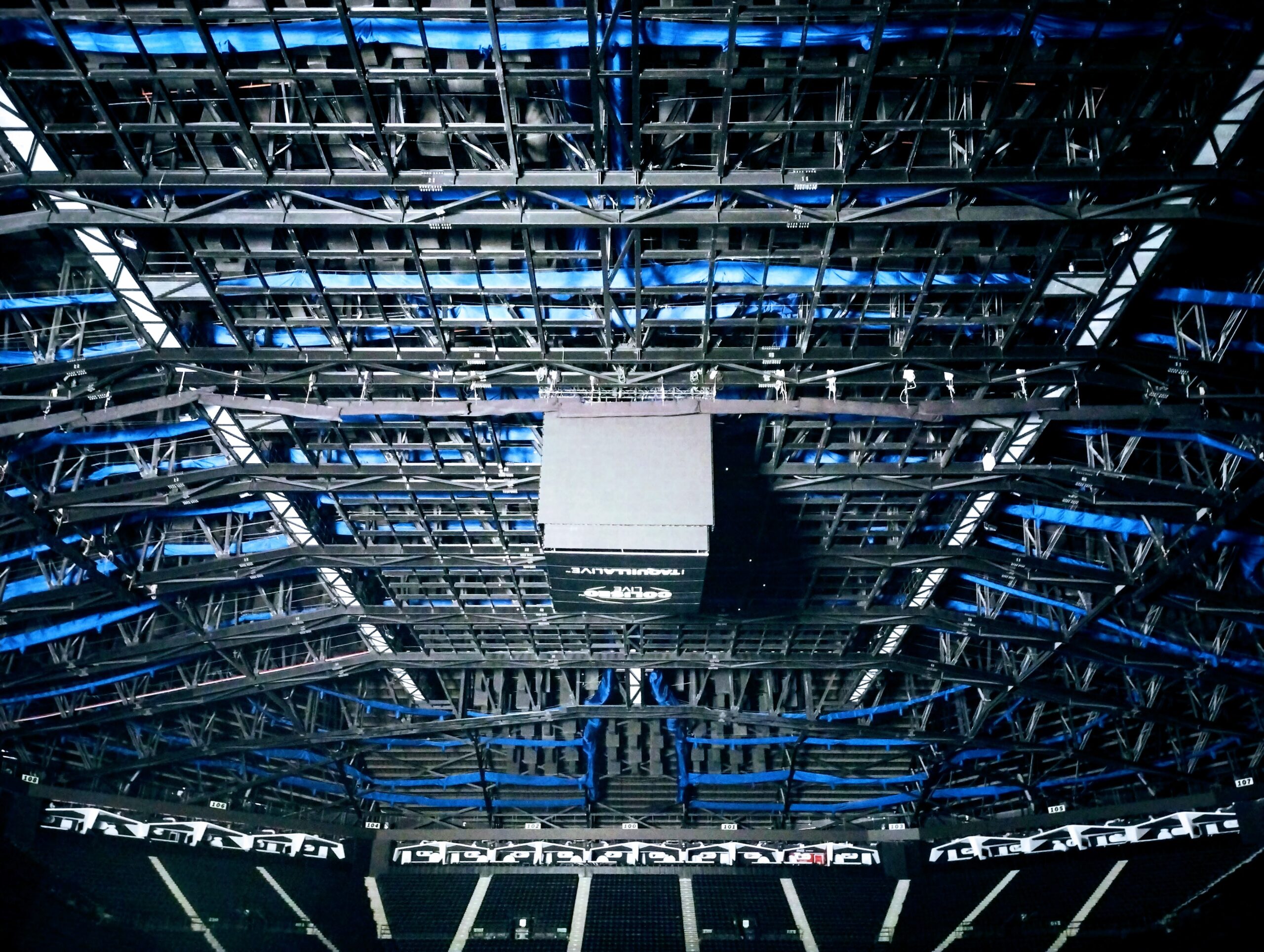
DUCTecoL Textile Duct Applications
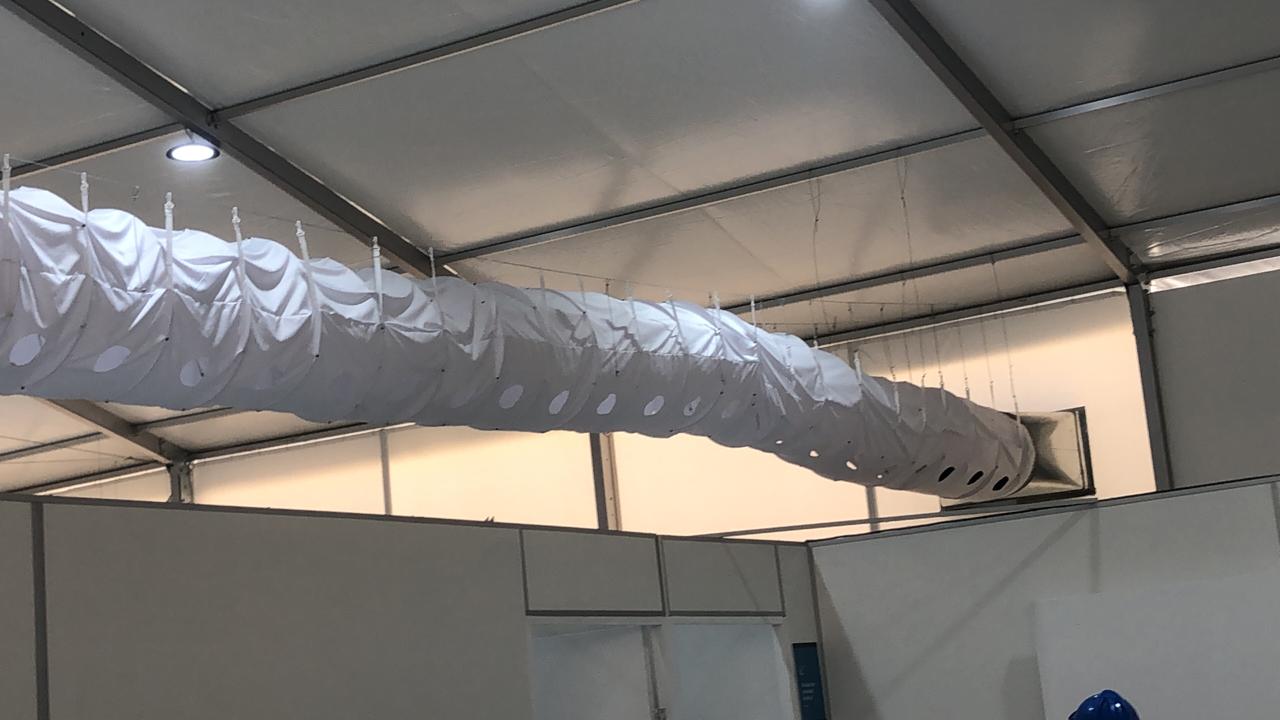

Frequently Asked Questions – Nebraska
Why are textile ducts essential for Nebraska’s beef packing industry?
Tyson, JBS, Cargill, and Greater Omaha Packing create the nation’s densest beef processing concentration. DUCTecoL’s antimicrobial washable fabric meets USDA-FSIS daily sanitation requirements while preventing the bacterial harboring that corroded metal duct interiors cannot eliminate.
How do DUCTecoL ducts handle Nebraska’s sudden severe thunderstorms?
Nebraska’s rapid pressure drops during supercell thunderstorms can collapse poorly designed duct systems. DUCTecoL’s inherently flexible fabric absorbs these pressure differentials safely—a critical advantage over rigid metal systems in the state’s volatile Nebraska’s weather.
Are textile ducts used in Nebraska’s Omaha data center corridor?
Berkshire Hathaway, Facebook Altoona, and Google Council Bluffs require precision cooling. DUCTecoL’s targeted cold-aisle delivery reduces hot-aisle temperatures by up to 15°F compared to overhead metal systems, improving server reliability in Nebraska’s growing tech infrastructure.
Master the Nebraska’s climate with DUCTecoL
Our specialists in Nebraska have 30+ years combined experience with agricultural processing, automotive, and cold-climate HVAC applications. Schedule your facility assessment today.
DUCTecoL International
📞 +57 301 4529090
📧 sales@ductecol.com
📍 Available: Twin Cities, Chicago, Detroit, Columbus