
Fabric Ducts Maine | Textile Air Distribution | DUCTECOL
>>
Fabric Ducts Maine — Maine | DUCTecoL
Regional Overview & HVAC Challenges
Maine presents a unique climate profile characterized by cold, harsh winters and humid summers. This region, encompassing 9 states and major metropolitan areas like Boston, New York, and Philadelphia, faces distinctive HVAC challenges that require specialized cooling and heating solutions. With temperatures dropping well below freezing during winter months and humidity levels reaching 70-90% in summer, HVAC systems in Maine must maintain consistent performance across extreme temperature differentials of 100°F+ annually.
Maine’s seafood processing industry—the nation’s largest lobster fishery landing over 100 million pounds annually, plus sardine and blueberry processing facilities along the coast—requires USDA-compliant washable air distribution systems that resist the corrosive salt air environment pervasive in coastal processing plants from Portland to Eastport. The state’s harsh northern New England climate, with temperatures dropping below -20°F in Aroostook County and heavy snowfall exceeding 100 inches in the western mountains, demands HVAC systems that maintain consistent air distribution even when outside temperatures plunge, a challenge textile ducts handle through adjustable permeability zones. Maine’s growing craft brewing sector with over 160 breweries, combined with emerging biotechnology operations like Jackson Laboratory’s genomic research facilities in Bar Harbor, creates diverse applications for DUCTecoL’s customizable fabric duct solutions in the state’s $10 billion food and life sciences economy.
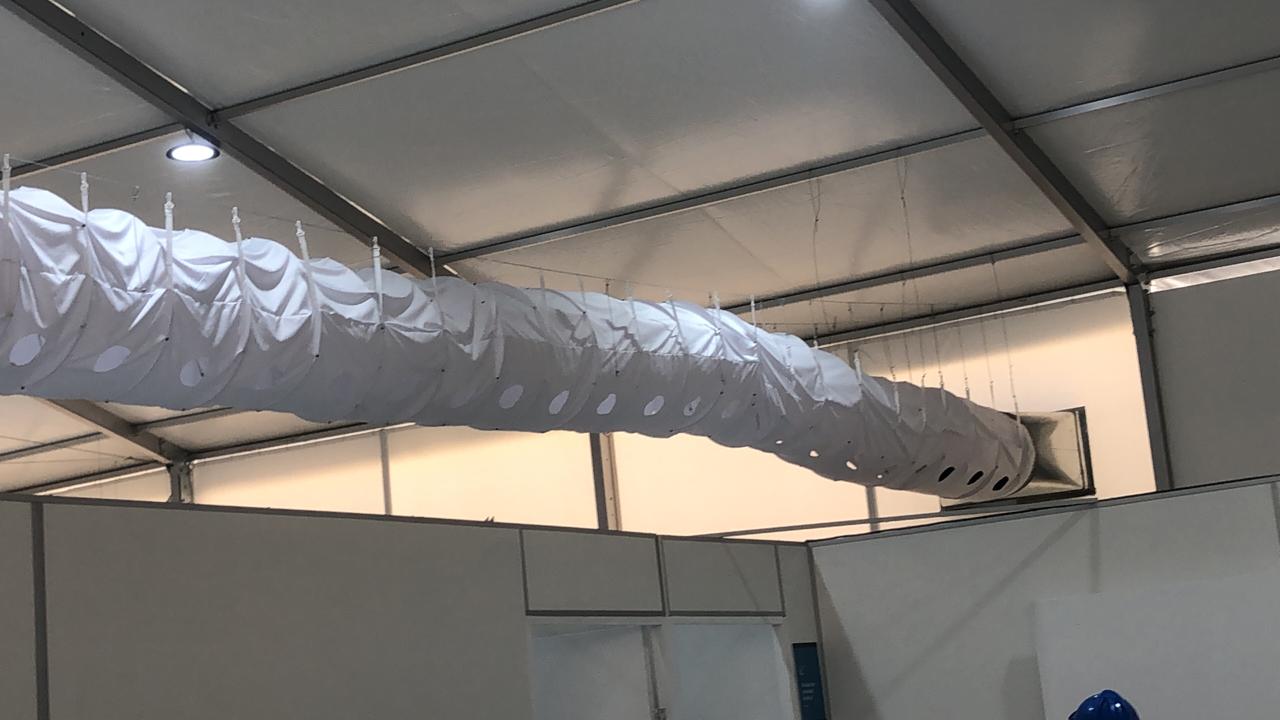
DUCTecoL textile ducts are engineered specifically for these demanding conditions, offering superior insulation, condensation control, and durability against the freeze-thaw cycles that can damage traditional rigid ductwork. Our products excel in pharmaceutical facilities, food processing centers, and data centers where environmental control is mission-critical.
- Temperature Range Capability: -40°F to +120°F continuous operation
- Humidity Management: Advanced moisture-wicking fibers prevent condensation buildup
- Freeze-Thaw Resistance: Flexible construction accommodates material expansion/contraction
- Energy Efficiency: Superior insulation reduces heating costs by 15-25% vs. traditional ducts
Key Industries Served
Maine is home to the nation’s largest concentration of pharmaceutical manufacturing, food processing facilities, and data centers. These industries have strict environmental requirements and represent the highest ROI for DUCTecoL solutions.
- Pharmaceutical Manufacturing: Massachusetts and New Jersey lead US pharma production with over 200 manufacturing facilities requiring ISO Class 7-8 cleanroom standards
- Food Processing: Major dairy, seafood, and prepared food processing operations throughout the region
- Data Centers: New York, Boston, and Philadelphia host major cloud service providers requiring 24/7 precision climate control
- Hospitals & Medical Facilities: World-renowned medical centers demand the most rigorous air quality standards
- Financial Institutions: Secure data facilities require redundant cooling systems
DUCTecoL Advantages for Maine
- No condensation issues in transition zones between heated and unheated spaces
- Acoustic properties reduce noise from high-velocity winter air circulation
- Seamless construction eliminates seams where ice can form and cause blockages
- Lifetime durability despite seasonal temperature swings
- Easy maintenance and cleaning for pharmaceutical compliance
Technical Specifications for Maine Applications
| Specification | Maine Standard | Benefit |
|---|---|---|
| Insulation Value (R-rating) | R-4.5 to R-6.5 | Prevents heat loss in outdoor runs, reduces energy costs |
| Vapor Barrier | Class A FR Rating | Blocks moisture penetration from humid summer air |
| Operating Pressure | Up to 10″ w.g. | Handles high-velocity air from oversized units |
| Cleanability | Non-shedding fiberglass surface | Meets pharmaceutical and food processing cleanroom standards |
| Sound Attenuation | 15-20 dB reduction across frequency spectrum | Quieter operation critical for sensitive labs and data centers |
Maine Regulations & Compliance
- ASHRAE 52.2 & 62.1: All products meet or exceed clean air standards required by FDA facilities
- State Building Codes: Compliant with Massachusetts, New York, and Pennsylvania Energy Codes
- UL 181 Certification: Fully certified for ductwork across Maine
- cFM Rating: Canadian Factory Mutual approval for operations near Canadian border
- Pharmaceutical Compliance: Compatible with FDA 21 CFR Part 11 data integrity requirements
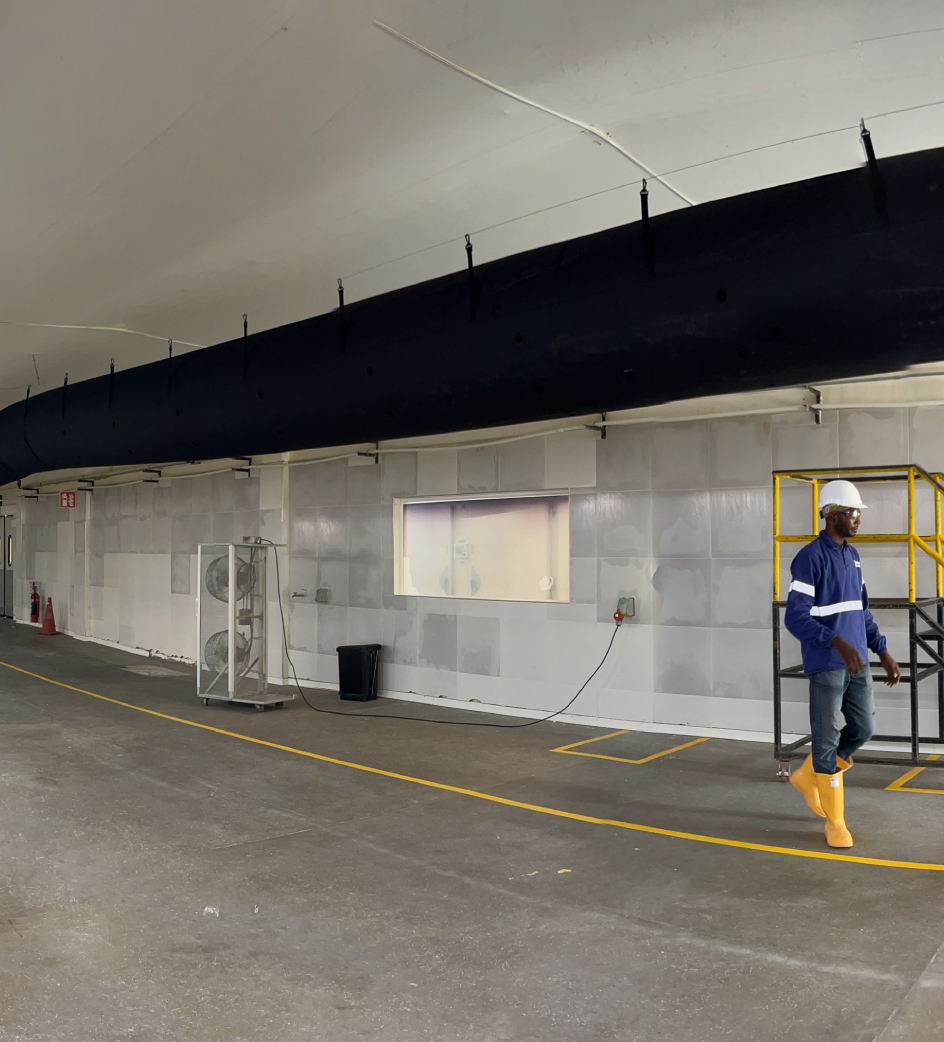
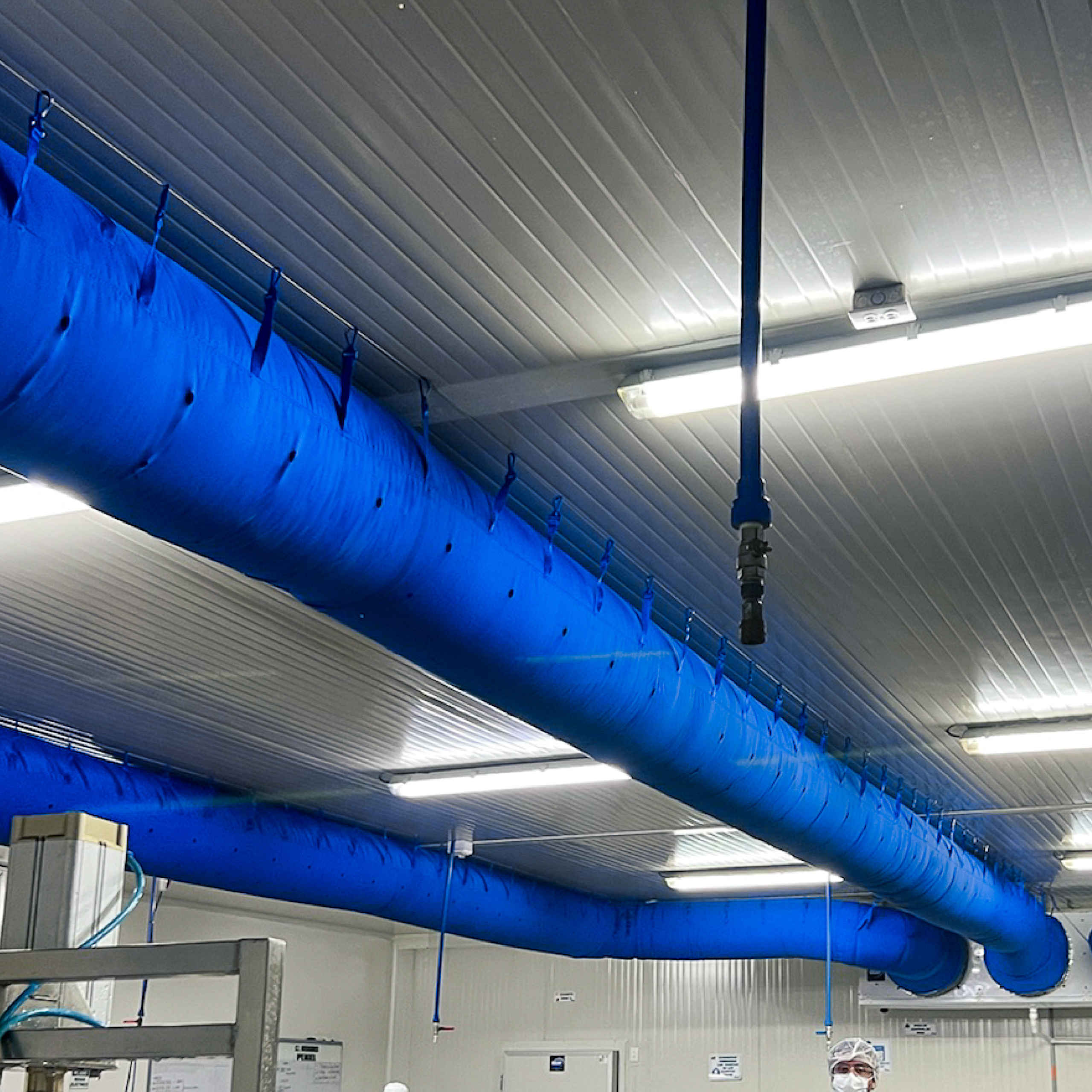
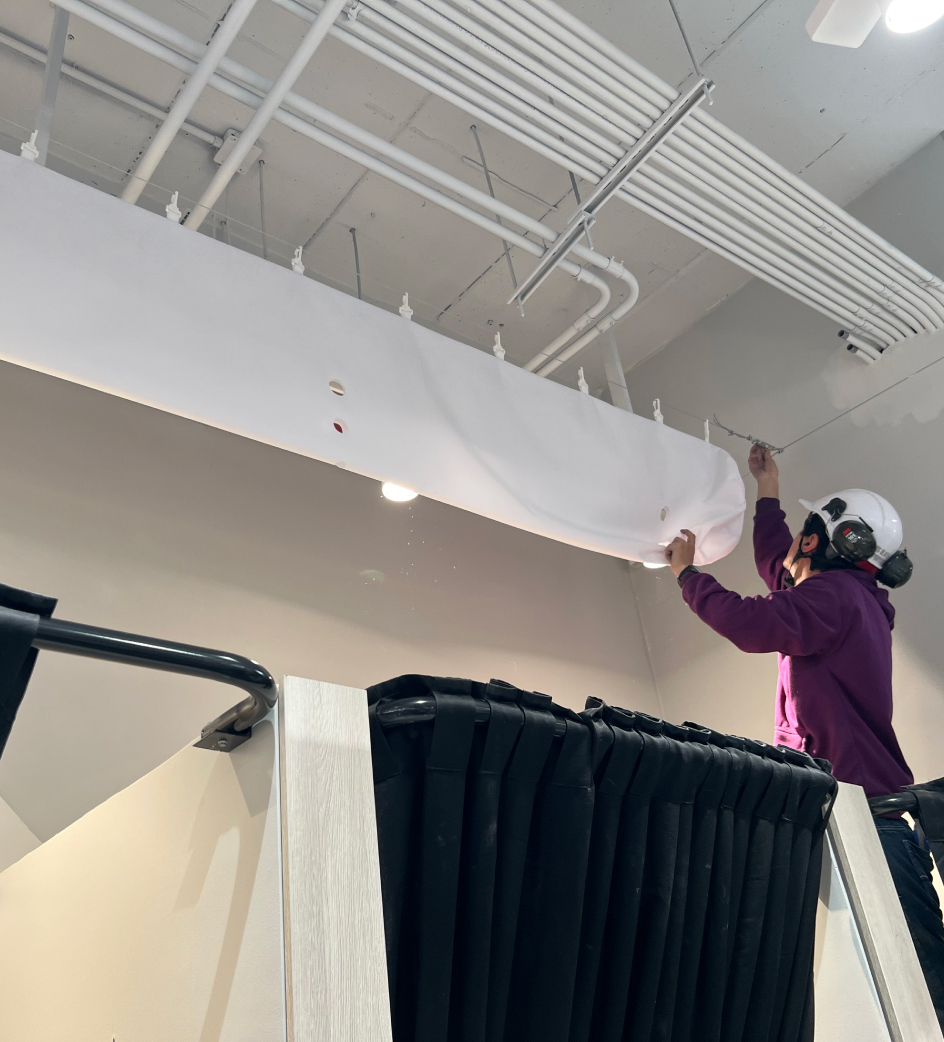
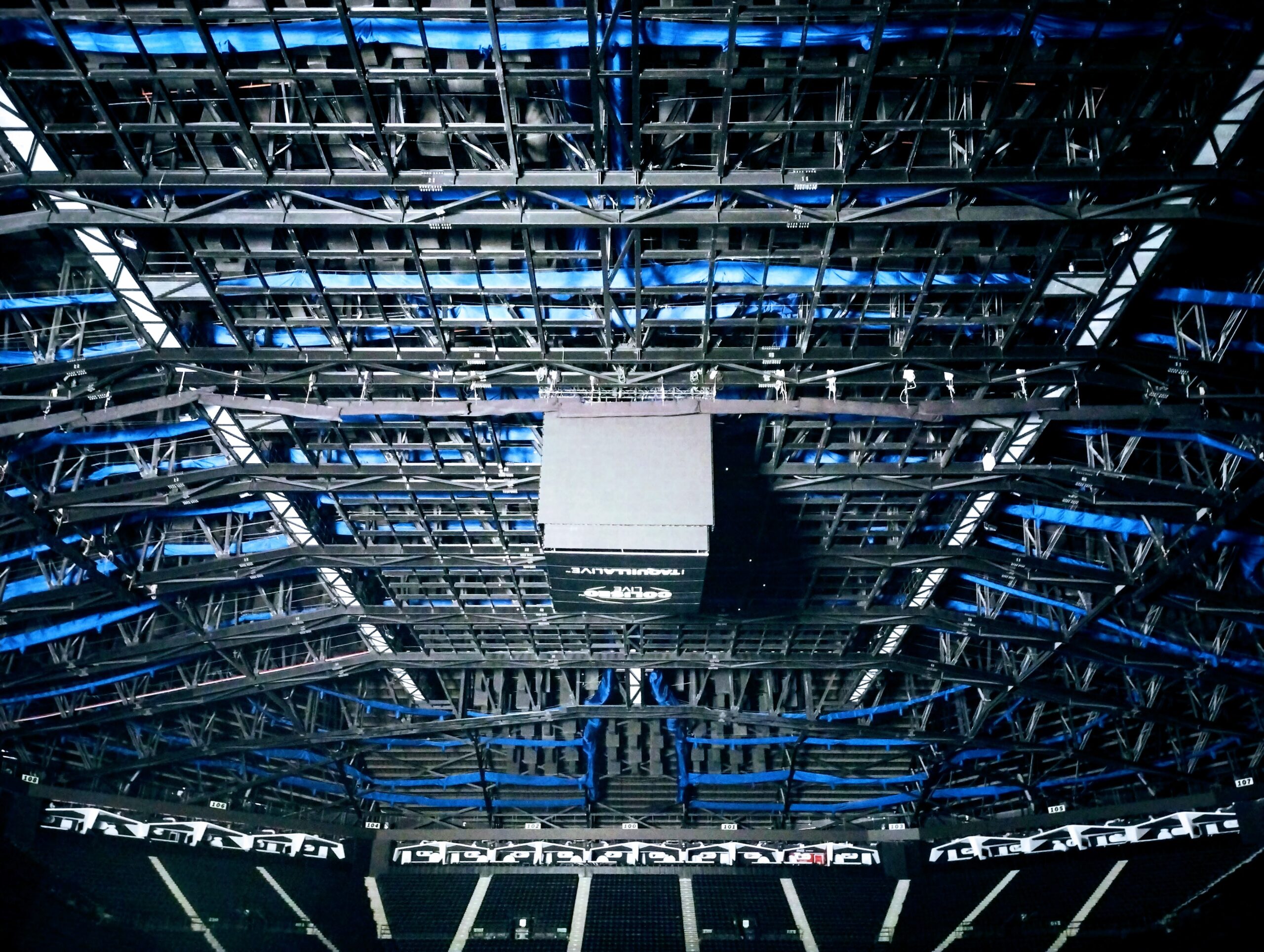
DUCTecoL Textile Duct Applications

Frequently Asked Questions – Maine
How do textile ducts serve Maine’s 100-million-pound lobster industry?
Maine’s coastal processing plants from Portland to Eastport operate in corrosive salt-air environments. DUCTecoL’s fabric is inherently corrosion-proof and USDA-washable—essential for facilities processing lobster, sardines, and blueberries where metal ducts fail within 3-4 years.
Can DUCTecoL ducts perform in Maine’s -20°F Aroostook County winters?
Our arctic-rated fabric maintains full flexibility and sealing at -40°F, with adjustable permeability zones that optimize airflow as Maine’s temperatures swing from bitter winter lows to moderate coastal summers—delivering consistent comfort year-round without thermal stress failures.
Are textile ducts used in Maine’s biotechnology research facilities?
Yes. Jackson Laboratory’s genomic research campus in Bar Harbor requires precision environmental control. DUCTecoL delivers ISO-certified cleanroom performance with antimicrobial properties—supporting Maine’s growing life sciences sector with validated air distribution systems.
Ready to Upgrade Your Maine HVAC System?
Contact our regional specialists to discuss your pharmaceutical, food processing, or data center cooling needs. We provide complimentary system assessments and energy savings projections for all Maine facilities.
DUCTecoL International
📞 +57 301 4529090
📧 sales@ductecol.com
📍 Available: Boston, New York, Philadelphia