
Fabric Ducts Connecticut | Textile Air Distribution | DUCTECOL
>
Fabric Ducts Connecticut — Connecticut | DUCTecoL
Regional Overview & HVAC Challenges
Connecticut presents a unique climate profile characterized by cold, harsh winters and humid summers. This region, encompassing 9 states and major metropolitan areas like Boston, New York, and Philadelphia, faces distinctive HVAC challenges that require specialized cooling and heating solutions. With temperatures dropping well below freezing during winter months and humidity levels reaching 70-90% in summer, HVAC systems in Connecticut must maintain consistent performance across extreme temperature differentials of 100°F+ annually.
Connecticut’s advanced manufacturing legacy, anchored by Pratt & Whitney’s jet engine production in East Hartford and Electric Boat’s submarine construction in Groton, requires precision air distribution in facilities where temperature variations of even 2°F can affect tolerances on critical components. The state’s coastal New England climate brings harsh nor’easters with salt-laden air that corrodes metal ductwork, making fabric alternatives particularly cost-effective for facilities along the Long Island Sound corridor. Connecticut’s pharmaceutical corridor—including Boehringer Ingelheim in Ridgefield and Purdue Pharma in Stamford—demands cGMP-compliant air distribution systems where DUCTecoL’s antimicrobial textile ducts provide validated cleanroom performance.
DUCTecoL textile ducts are engineered specifically for these demanding conditions, offering superior insulation, condensation control, and durability against the freeze-thaw cycles that can damage traditional rigid ductwork. Our products excel in pharmaceutical facilities, food processing centers, and data centers where environmental control is mission-critical.
- Temperature Range Capability: -40°F to +120°F continuous operation
- Humidity Management: Advanced moisture-wicking fibers prevent condensation buildup
- Freeze-Thaw Resistance: Flexible construction accommodates material expansion/contraction
- Energy Efficiency: Superior insulation reduces heating costs by 15-25% vs. traditional ducts
Key Industries Served
Connecticut is home to the nation’s largest concentration of pharmaceutical manufacturing, food processing facilities, and data centers. These industries have strict environmental requirements and represent the highest ROI for DUCTecoL solutions.
- Pharmaceutical Manufacturing: Massachusetts and New Jersey lead US pharma production with over 200 manufacturing facilities requiring ISO Class 7-8 cleanroom standards
- Food Processing: Major dairy, seafood, and prepared food processing operations throughout the region
- Data Centers: New York, Boston, and Philadelphia host major cloud service providers requiring 24/7 precision climate control
- Hospitals & Medical Facilities: World-renowned medical centers demand the most rigorous air quality standards
- Financial Institutions: Secure data facilities require redundant cooling systems
DUCTecoL Advantages for Connecticut
- No condensation issues in transition zones between heated and unheated spaces
- Acoustic properties reduce noise from high-velocity winter air circulation
- Seamless construction eliminates seams where ice can form and cause blockages
- Lifetime durability despite seasonal temperature swings
- Easy maintenance and cleaning for pharmaceutical compliance
Technical Specifications for Connecticut Applications
| Specification | Connecticut Standard | Benefit |
|---|---|---|
| Insulation Value (R-rating) | R-4.5 to R-6.5 | Prevents heat loss in outdoor runs, reduces energy costs |
| Vapor Barrier | Class A FR Rating | Blocks moisture penetration from humid summer air |
| Operating Pressure | Up to 10″ w.g. | Handles high-velocity air from oversized units |
| Cleanability | Non-shedding fiberglass surface | Meets pharmaceutical and food processing cleanroom standards |
| Sound Attenuation | 15-20 dB reduction across frequency spectrum | Quieter operation critical for sensitive labs and data centers |
Connecticut Regulations & Compliance
- ASHRAE 52.2 & 62.1: All products meet or exceed clean air standards required by FDA facilities
- State Building Codes: Compliant with Massachusetts, New York, and Pennsylvania Energy Codes
- UL 181 Certification: Fully certified for ductwork across Connecticut
- cFM Rating: Canadian Factory Mutual approval for operations near Canadian border
- Pharmaceutical Compliance: Compatible with FDA 21 CFR Part 11 data integrity requirements
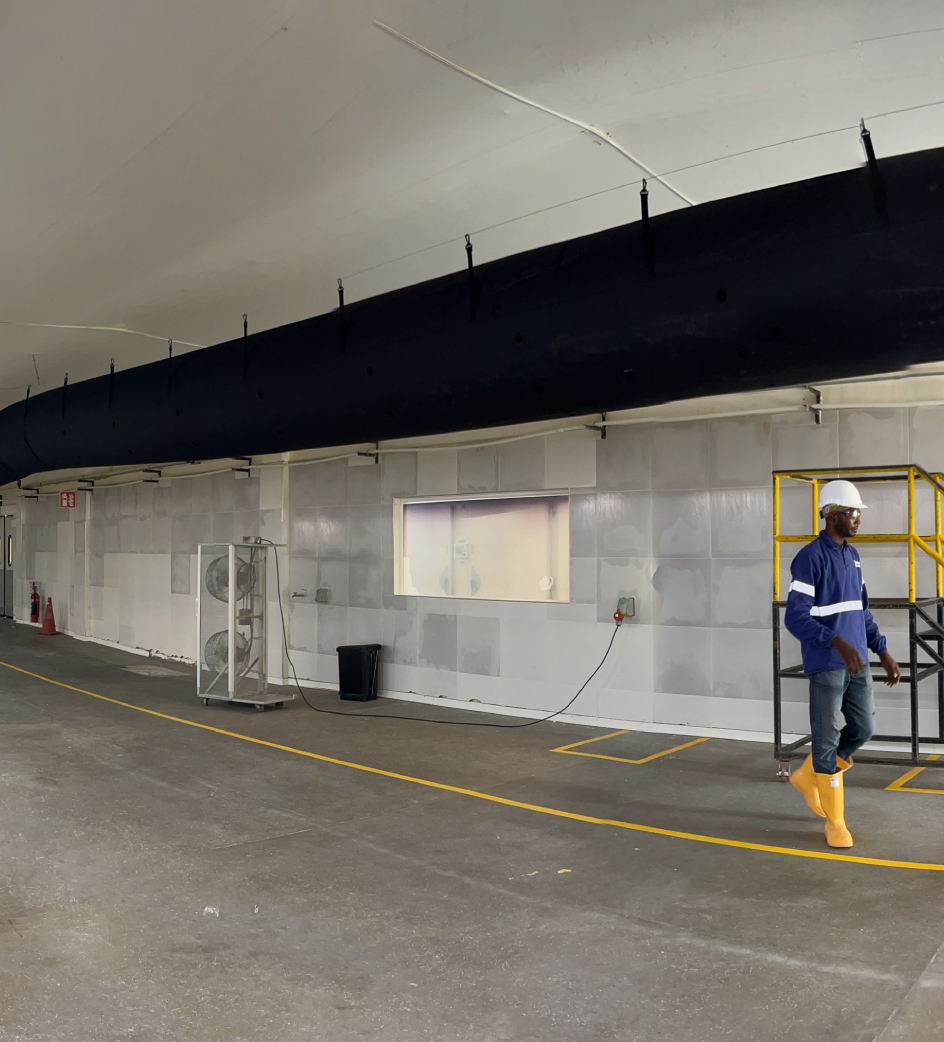
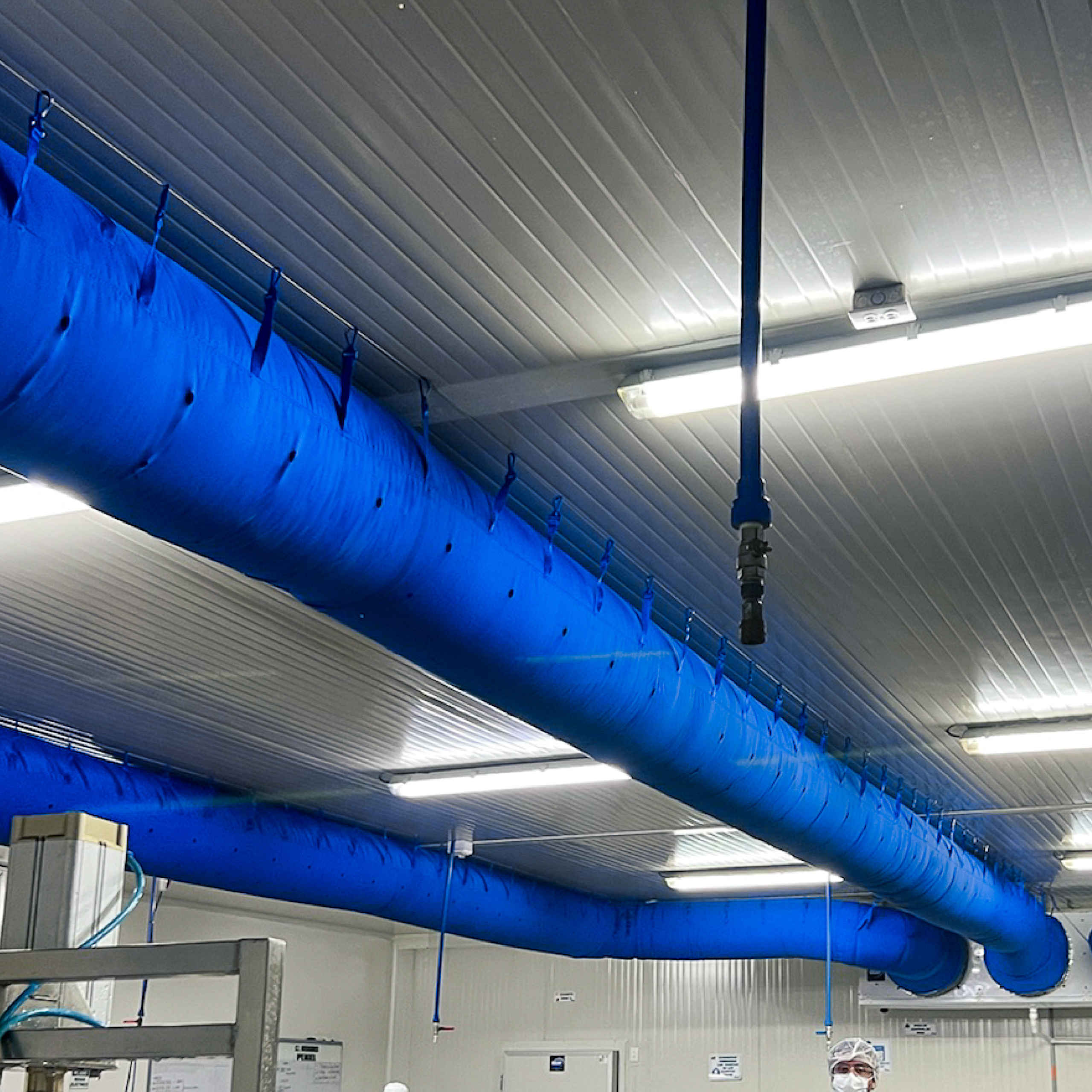
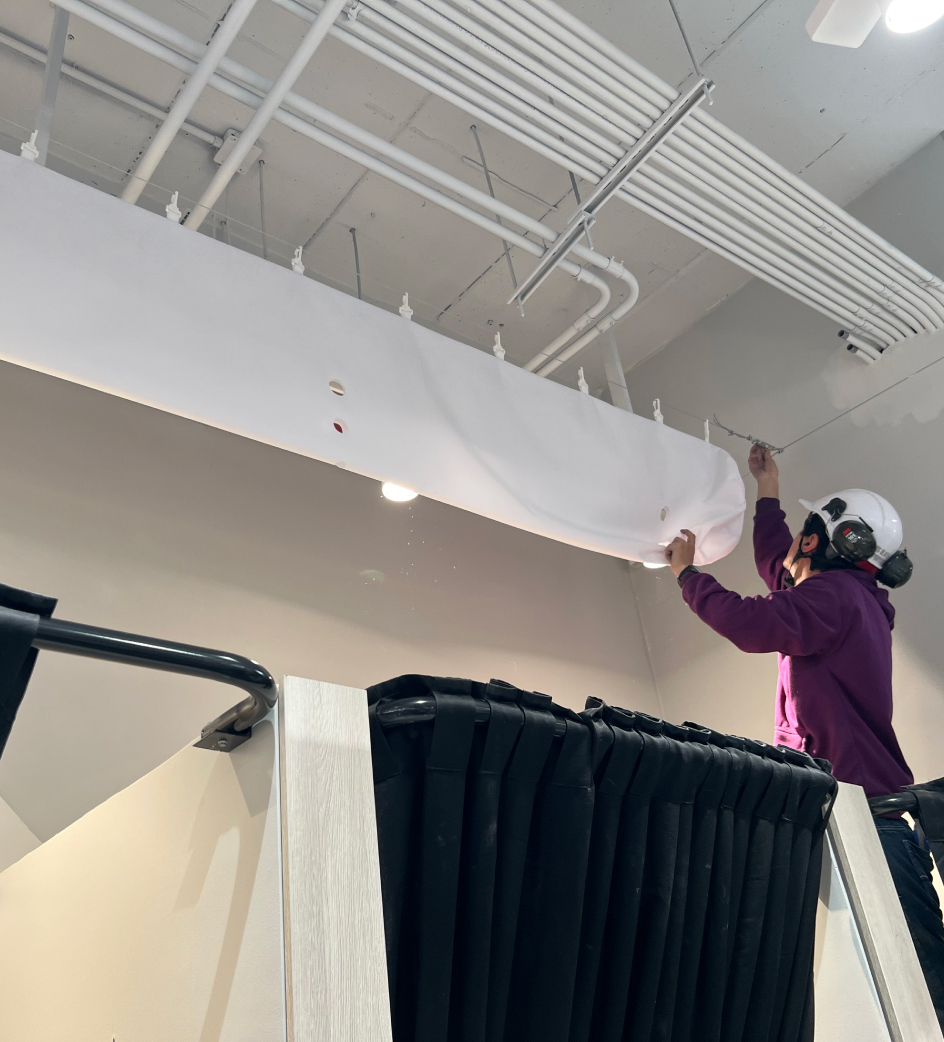
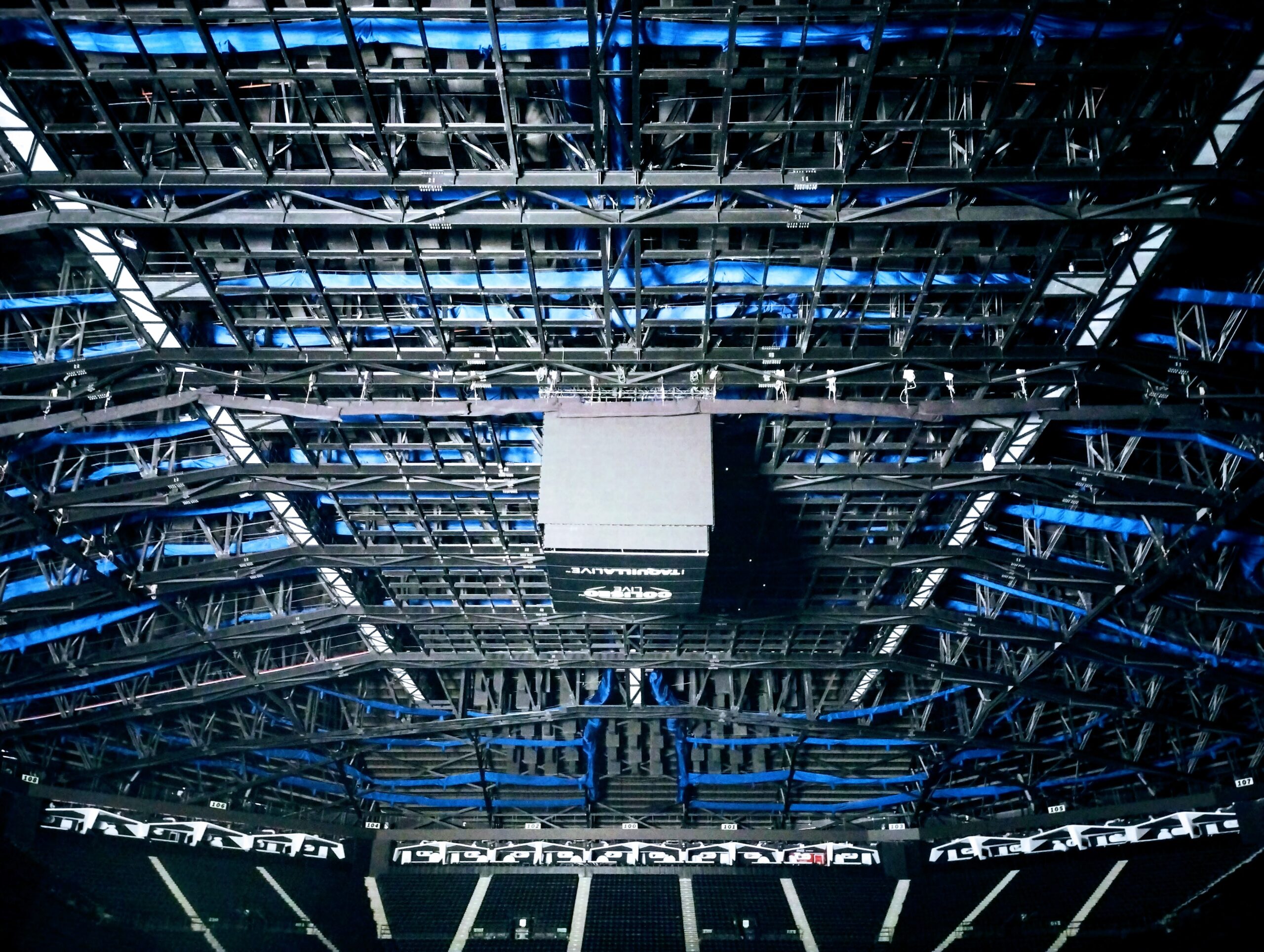
DUCTecoL Textile Duct Applications
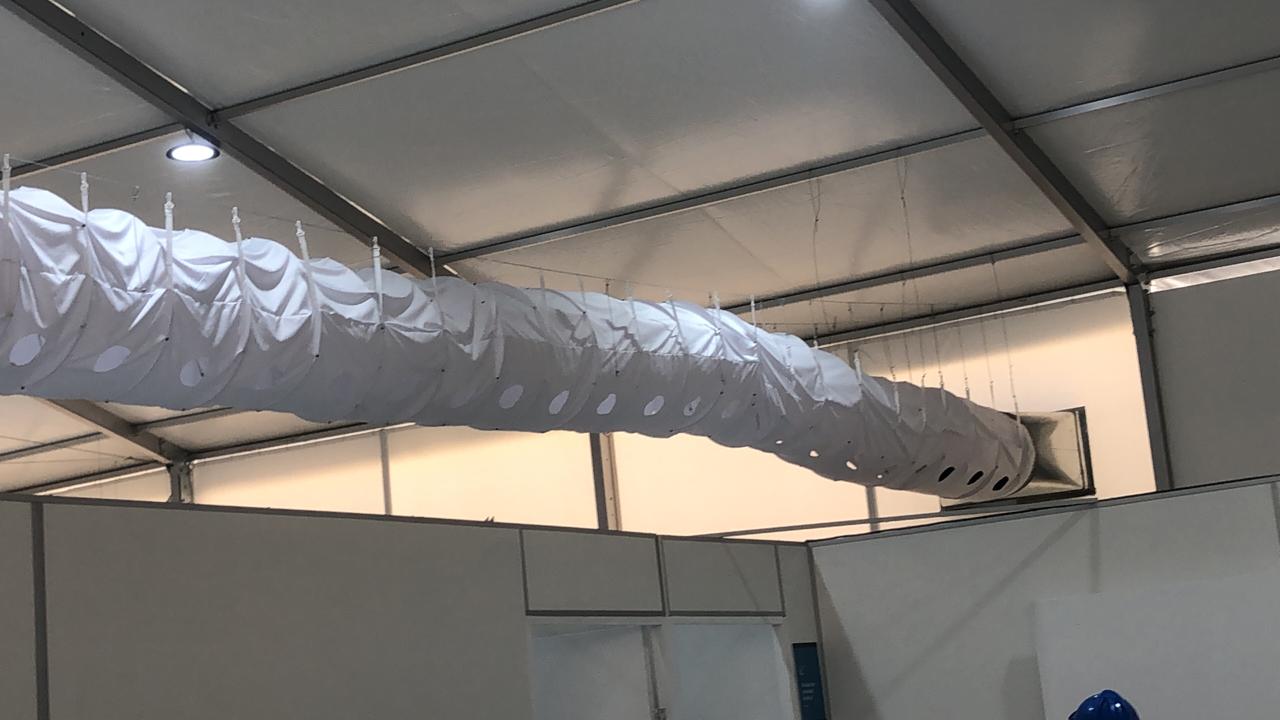

Frequently Asked Questions – Connecticut
How do textile ducts serve Connecticut’s jet engine manufacturing?
Pratt & Whitney’s East Hartford facility requires ±2°F temperature uniformity for turbine blade manufacturing. DUCTecoL’s engineered permeability zones deliver draft-free precision air distribution that metal diffusers cannot match in these critical aerospace production environments.
Do DUCTecoL ducts resist Connecticut’s coastal salt air corrosion?
Absolutely. Along the Long Island Sound corridor, salt-laden nor’easters destroy galvanized metal ducts within 5-7 years. DUCTecoL’s polyester fabric is inherently corrosion-proof, delivering 15+ year service life in Connecticut’s coastal manufacturing facilities.
Are your ducts suitable for Connecticut’s pharmaceutical cleanrooms?
Yes. Boehringer Ingelheim in Ridgefield and other Connecticut pharma manufacturers use cGMP-validated air distribution. DUCTecoL systems provide documented ISO 14644 compliance with complete washability between product changeovers—essential for multi-product pharma facilities.
Ready to Upgrade Your Connecticut HVAC System?
Contact our regional specialists to discuss your pharmaceutical, food processing, or data center cooling needs. We provide complimentary system assessments and energy savings projections for all Connecticut facilities.
DUCTecoL International
📞 +57 301 4529090
📧 sales@ductecol.com
📍 Available: Boston, New York, Philadelphia