
Textile Ducts California
>
Fabric Ducts California — California | DUCTecoL
Regional Overview & HVAC Challenges
California—encompassing California, Oregon, and Washington—represents the most economically dynamic region in North America, home to the world’s largest technology industry, premium wine production, aerospace manufacturing, and increasingly, renewable energy facilities. This 3-state region experiences temperate climates with moderate seasonal variations, but faces unique HVAC challenges: high elevation facilities, moisture from coastal areas, and California’s legendary air quality standards that demand the most sophisticated climate control systems.
California’s $3.6 trillion economy—the world’s fifth largest—generates unparalleled demand for textile duct solutions across its diverse climate zones, from the foggy San Francisco Bay Area to the scorching 120°F summers in the Imperial Valley. The state’s stringent Title 24 energy codes and ambitious carbon neutrality goals by 2045 make lightweight fabric ducts an attractive alternative to metal, reducing embodied carbon while improving air distribution efficiency in LEED-certified buildings. Major California industries including Tesla’s Fremont gigafactory, numerous biotech campuses in San Diego’s Torrey Pines corridor, and Hollywood’s climate-controlled sound stages all benefit from DUCTecoL’s customizable textile duct systems that meet California’s strict seismic safety and fire code requirements.
California industries demand exceptional performance: Google, Apple, Facebook, and Microsoft data centers require precise cooling to within 1-2°F; wine production requires micro-environmental control; aerospace demands ISO Class 6-8 cleanrooms. DUCTecoL ducts are engineered for these premium applications, offering unmatched precision, energy efficiency, and environmental performance.
- Precision Cooling Demands: Tech data centers require ±1-2°F control
- Air Quality Standards: California’s stringent environmental regulations demand best-in-class filtration
- Energy Efficiency: Emphasis on sustainability and LEED certification
- Coastal Moisture: Salt air and humidity require corrosion-resistant solutions
Key Industries Served
- Technology & Data Centers: Silicon Valley, San Francisco, Seattle—home to Apple, Google, Microsoft, Amazon, Meta
- Wine Production: California’s wine industry demands micro-environmental control in fermentation facilities
- Aerospace & Defense: Boeing operations, defense contractors, aircraft component manufacturing
- Clean Energy: Solar, wind, battery manufacturing facilities with cleanroom requirements
- Pharmaceutical & Biotech: San Francisco Bay Area biotech boom driving advanced facility requirements
DUCTecoL Advantages for California
- Precision ±0.5°F control capability for data center applications
- MERV 11+ equivalent filtration improves air quality beyond baseline standards
- Coastal-grade corrosion resistance maintains performance in salt air environments
- Supports aggressive LEED and Zero Net Energy (ZNE) goals
- Seamless textile construction supports advanced monitoring and sensor integration
Technical Specifications for California Applications
| Specification | California Standard | Benefit |
|---|---|---|
| Temperature Control Precision | ±0.5°F in closed-loop systems | Critical for server cooling and precision manufacturing |
| Air Filtration Efficiency | MERV 11 equivalent (90% @ 1 micron) | Exceeds California air quality standards |
| Sensor Integration Compatibility | Full IoT-ready design | Enables advanced monitoring and optimization |
| Corrosion Resistance (Coastal) | C5-M (high salt spray) | Protects systems in Pacific coastal environments |
| Energy Efficiency Rating | Supports ZNE and net-positive energy targets | Lowest pressure drop in industry |
California Regulations & Compliance
- California Title 24 Energy Standards: Exceeds all efficiency requirements for new construction
- LEED v4 & WELL Certification: Full compatibility with premium building certifications
- California Air Resources Board (CARB): Superior VOC compliance
- ISO 14644 Cleanroom Standards: Supports Class 5-7 requirements for biotech and semiconductor
- Zero Net Energy (ZNE) Building Codes: Optimized for aggressive sustainability targets
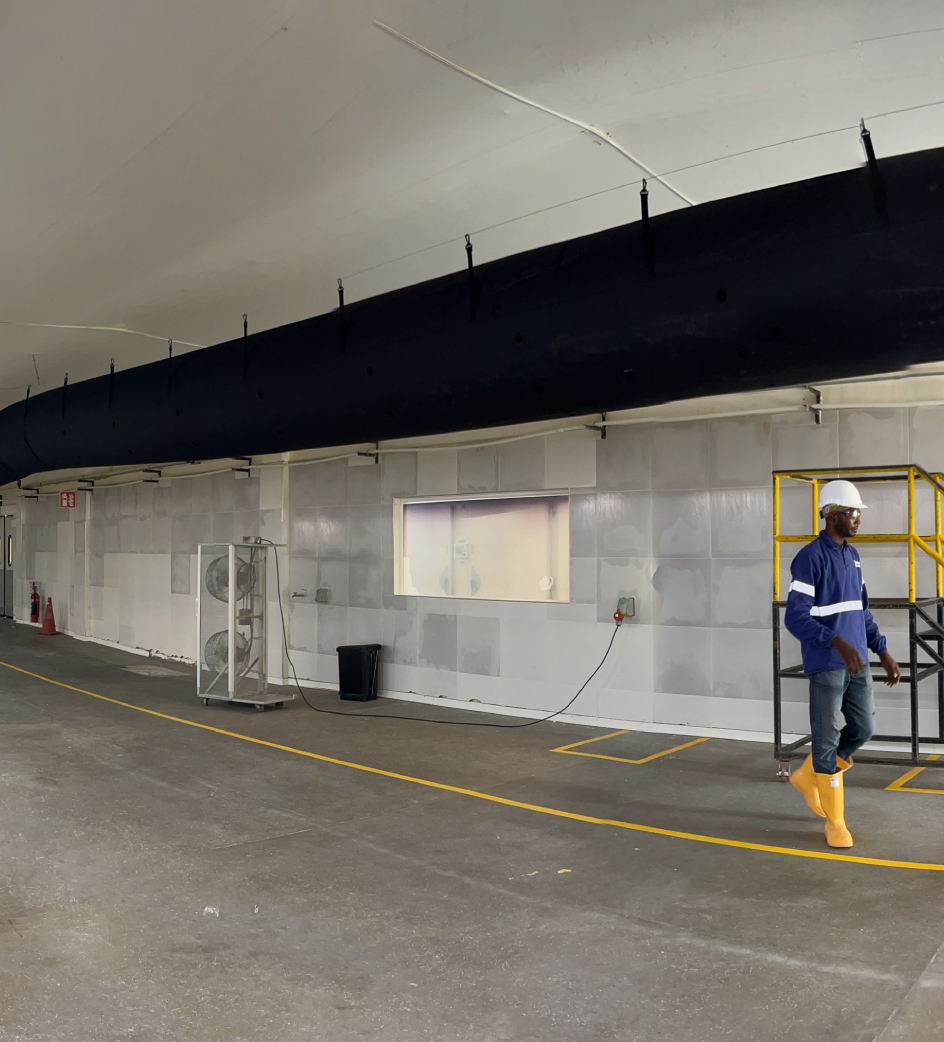
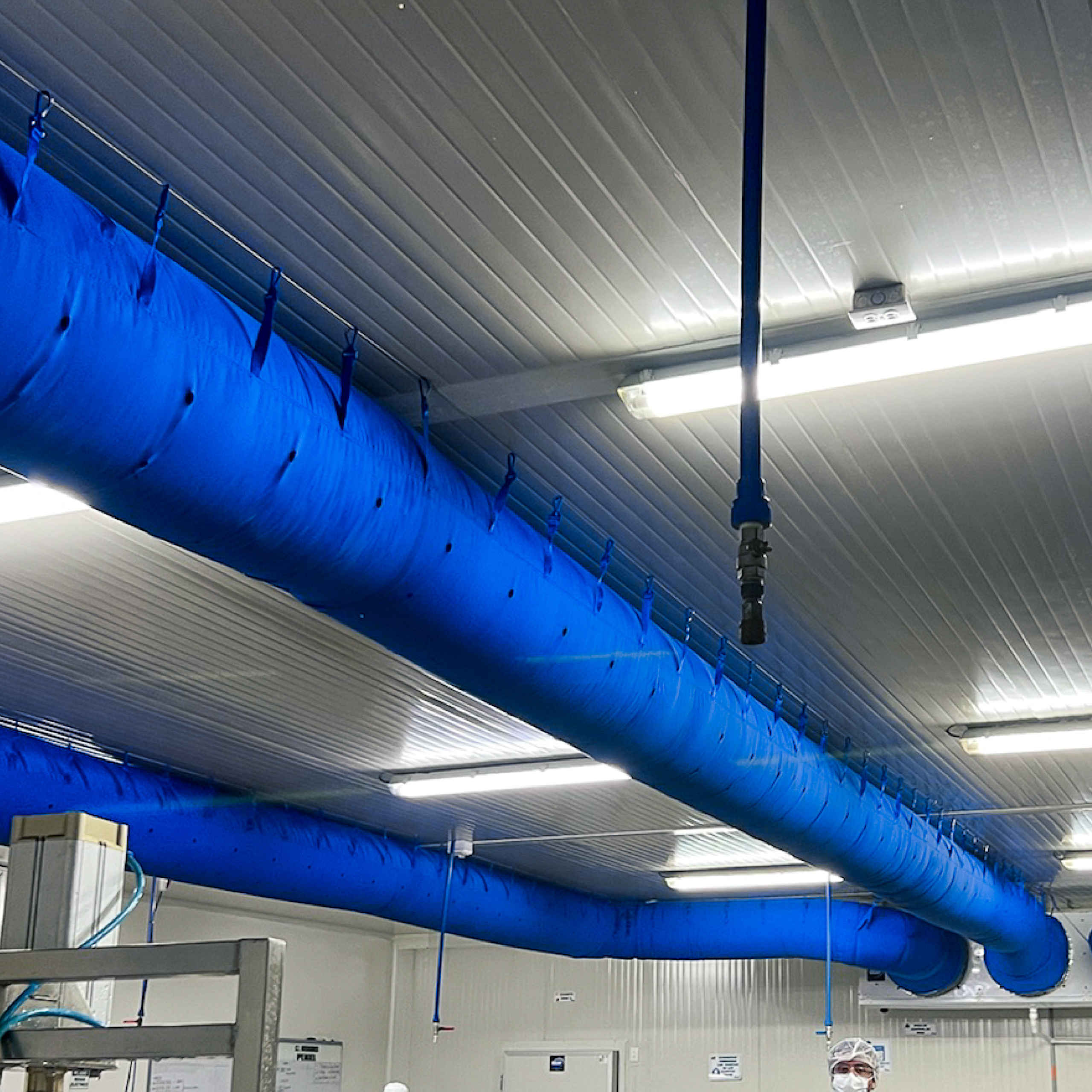
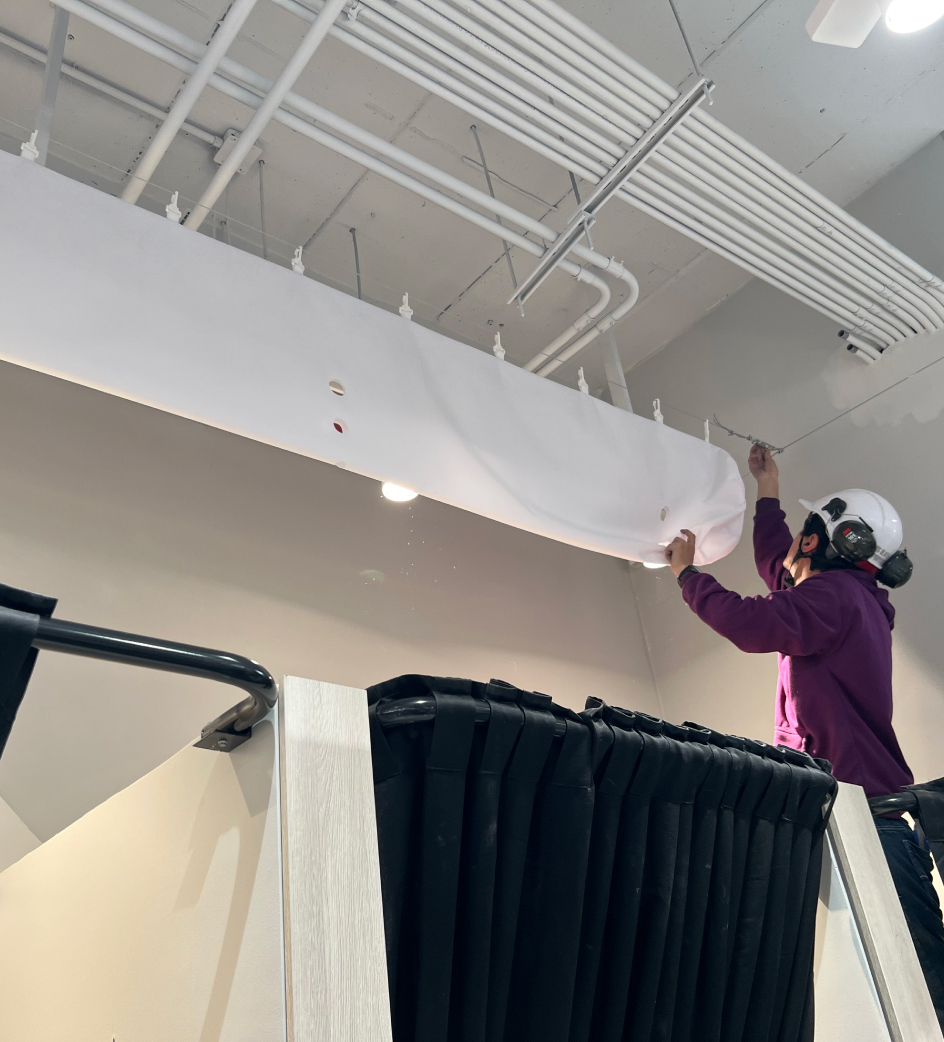
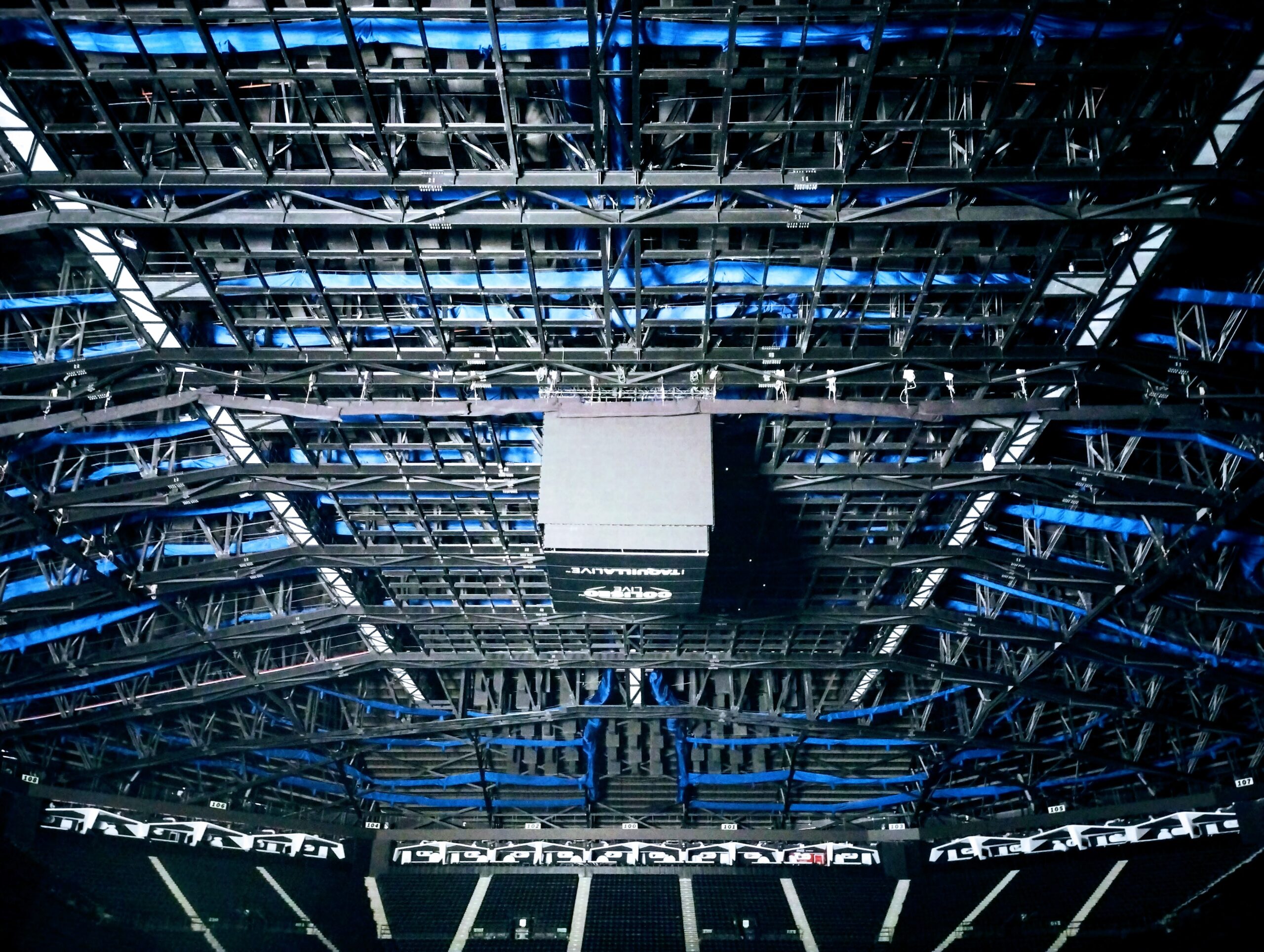
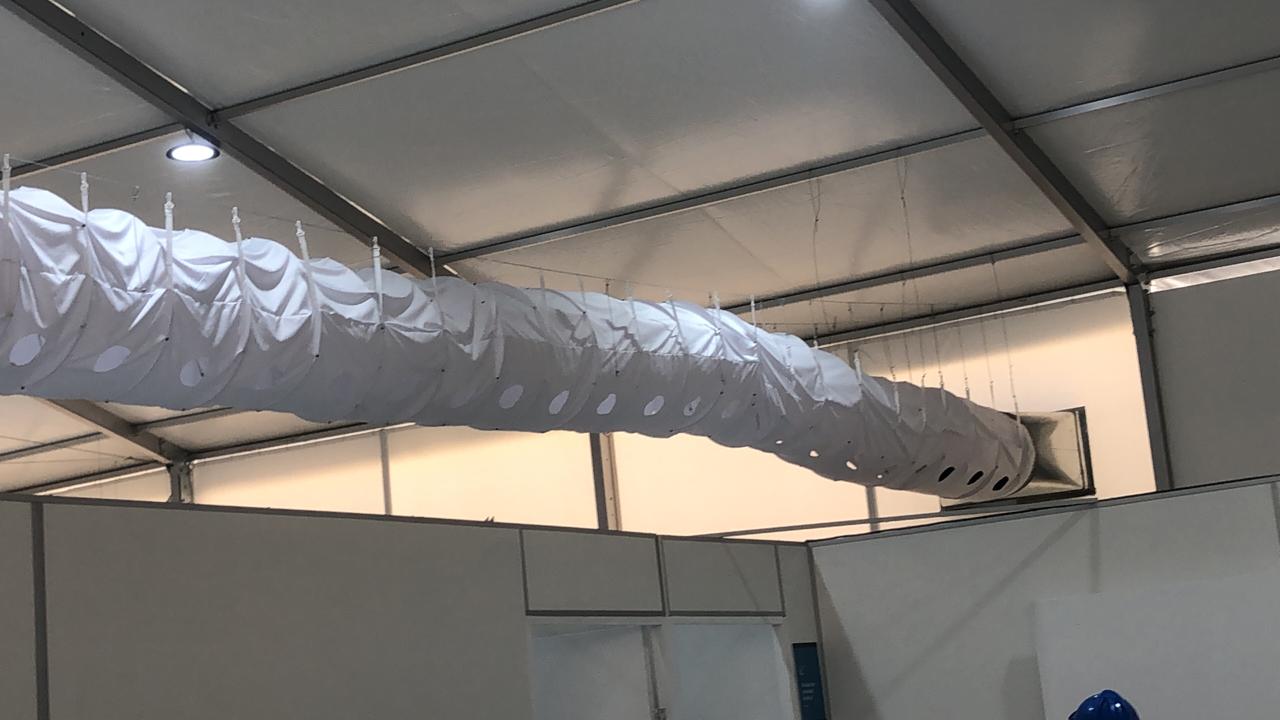
DUCTecoL Textile Duct Applications

Frequently Asked Questions – California
Do DUCTecoL ducts meet California’s strict Title 24 energy codes?
Yes. Our textile ducts exceed Title 24 requirements through zero-leakage design (metal ducts typically leak 15-25%), superior insulation values, and reduced fan energy. They support California’s 2045 carbon neutrality goals with 75% lower embodied carbon than equivalent metal systems.
Are your ducts seismically rated for California installations?
DUCTecoL fabric ducts are inherently earthquake-safe—they flex rather than break during seismic events, won’t produce falling debris, and require no seismic bracing. This saves 20-30% on installation costs while exceeding California Building Code seismic requirements.
How do textile ducts serve California’s diverse climate zones?
From San Francisco’s foggy 55°F summers to Imperial Valley’s 120°F heat, DUCTecoL engineers zone-specific permeability for each California facility. Our systems serve Tesla’s Fremont factory, Torrey Pines biotech labs, and Central Valley food processors with equally optimized performance.
Premium HVAC Performance for California
DUCTecoL specialists have extensive experience with data centers, wine production, aerospace, and high-tech manufacturing. Contact us for precision facility assessments.
DUCTecoL International
📞 +57 301 4529090
📧 sales@ductecol.com
📍 Available: San Francisco, Seattle, Portland, San Jose